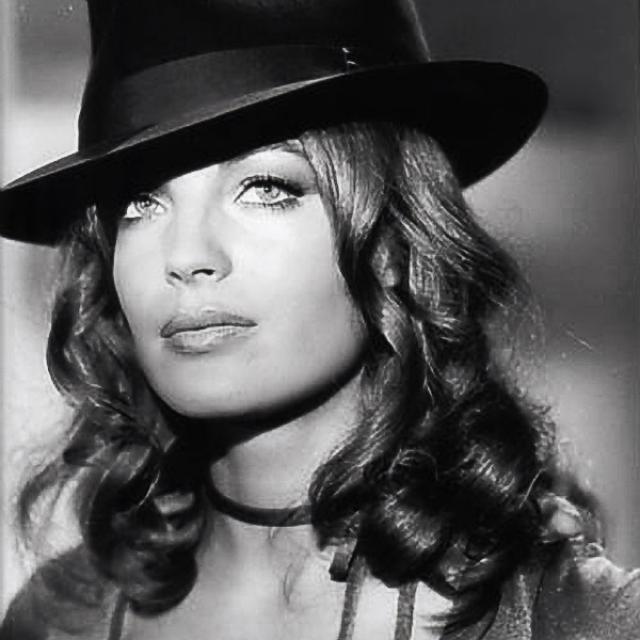
Romy Shnauder
 Austria
Biography of Romy Schneider
Romy Schneider (Rosemarie Magdalena Albach) was born in Vienna on September 23, 1938, into a well-known and affluent family. Both her mother and father were established Austrian actors, among the most respected individuals in Austria. Due to their busy schedules, Romy and her younger brother Wolf were raised by their grandparents at the Mariengrund estate. In 1945, Romy's parents divorced, and she remained with her mother.
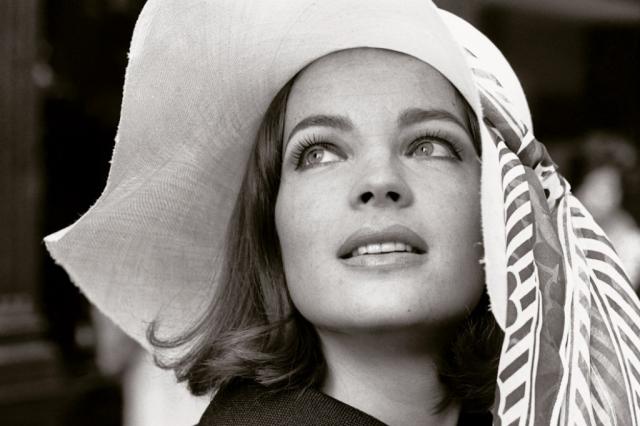
After completing primary school, Romy attended a boarding school for girls and later enrolled in a private school at a women's monastery in Elsbethen. She was incredibly talented, showcasing exceptional abilities in painting, participating in theater productions, and dreaming of a career in the film industry. Romy initially wanted to attend an art school in Cologne, but her mother, the renowned Austrian actress Magda Schneider, convinced her to try her luck in the film industry. Romy was thrilled.
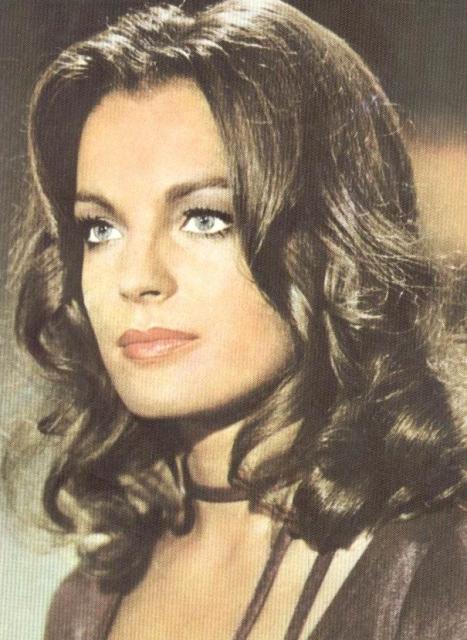
In 1953, Romy made her acting debut in the film "When the White Lilacs Bloom." In her next film, "Fireworks" (1954), she appeared under the name Romy Schneider. It was during the filming of "Fireworks" that Romy met director Ernst Marischka, who played a crucial role in her career. He initially cast her in the lead role in the film "The Young Empress" (1954) and later invited her to portray another royal figure, Princess Elisabeth of Bavaria, nicknamed Sissi. The trilogy consisting of "Sissi" (1955), "Sissi: The Young Empress" (1956), and "Sissi: The Fateful Years of an Empress" (1957) quickly transformed Romy Schneider into a star of the domestic film industry. At just twenty years old, she became one of the most popular actresses in Austria and Germany. In 1956, she appeared on the cover of "Der Spiegel" magazine, a testament to her immense success. However, when the director offered Romy the opportunity to star in a fourth Sissi film, she refused, fearing that she would forever be typecast.
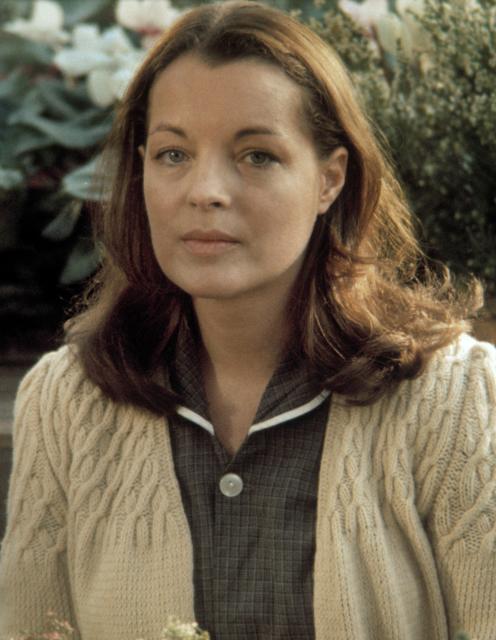
In 1958, Romy's thirst for adventure led her to America. After traveling for three weeks, she returned to her homeland, where preparations were underway for the filming of "Girls in Uniform" (1958). While this film did not significantly impact Romy's career, "Christine" (1958) changed her life forever. It was during the filming of "Christine" in France that Romy had a fateful encounter with the handsome Alain Delon. Upon her arrival in Paris, he awaited her with a bouquet of red roses, but at the time, nobody paid much attention to the relatively unknown actor. After all, Romy was already a European star, while he was still relatively obscure. However, their relationship took a different turn on the set. Alain, coming from a poor family, harbored disdain for all pretentious aristocrats, and Romy was no exception. She, in turn, couldn't tolerate his rudeness and lack of manners. However, she soon recognized in Delon what critics would later refer to as "authenticity" - an immense strength for life and passion. Each new kiss erased the conventions between them, and Romy found herself falling in love before she knew it.
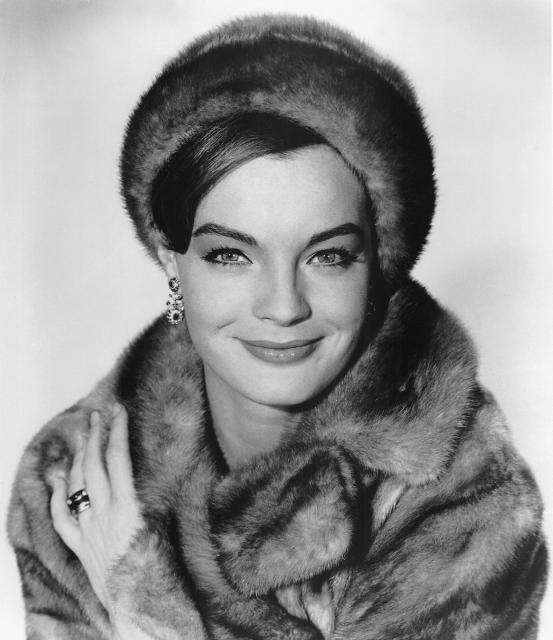
Things escalated rapidly from there. Romy and Alain confessed their love for each other and became engaged in March 1959. Despite her mother's protestations, Romy moved to Paris to be with Delon. In a letter to her friend Françoise Sagan, she wrote that Alain was the man of her life, and she was willing to give up everything to become his wife. However, Delon wasn't in a hurry. He wasn't the kind of man who spent days on end cooped up in bed with his beloved. He needed to make new acquaintances, flirt, and attend social events.
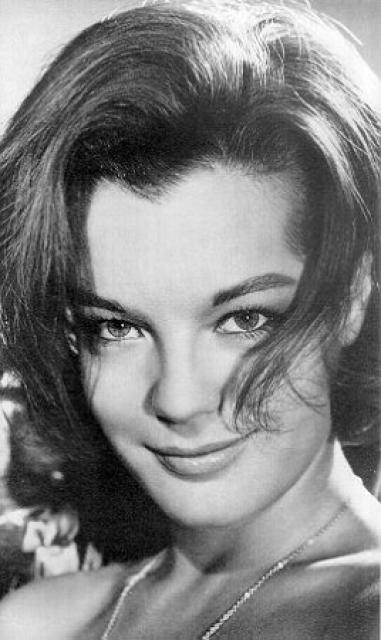
Romy found herself torn between her husband and lover for five long years. During this time, her career peaked, and she became known as the grand dame of French cinema. Films such as "The Assassination of Trotsky" (1972), "Ludwig" (1972), and "The Main Event" (1975) made Romy Schneider a favorite of European audiences. Her role in "The Main Event" earned her a César Award.
While Romy's career was flourishing, her personal life was in chaos. Constant rumors of her affair with Delon led to her husband leaving her. In 1975, they officially divorced, and three years later, her former husband was found hanged in his Hamburg apartment. Romy could never forgive herself for what happened.
In 1965, Romy Schneider returned to Germany, where she soon married German director Harry Meyen. When their son David was born, the actress was overjoyed. In an interview, she admitted that with David's arrival, she finally began to live. Romy was happy, but the happiness didn't last long. A phone call from Paris brought turmoil into her life. Delon was on the other end of the line. He had divorced his wife and found himself embroiled in an unpleasant affair. Delon asked Romy to be his co-star in the film "The Swimming Pool" (1968), and she agreed. The tabloids anticipated a sensational reunion, but they did not rush events. Although it was evident on Romy's face that she still loved Alain.
Romy Schneider oscillated between her husband and lover for five years. Her career reached its peak during this time, and she became known as the grand dame of French cinema. Films such as "The Murder of Trotsky" (1972), "Ludwig" (1972), and "The Main Event" (1975) solidified Romy Schneider's success. The role in "The Main Event" was considered her best in her career. In 1963, Romy starred in Otto Preminger's film "The Cardinal," which earned her a Golden Globe nomination. In the autumn of the same year, she traveled to the United States for the filming of "Good Neighbor Sam" (1964). While her career was soaring, her personal life was falling apart. In the United States, Romy learned from the newspapers about Alain's lover, Nathalie Barthélemy. She prayed it was just a rumor spread by sensationalist reporters, but it wasn't. Upon returning home, Romy discovered an empty apartment. Delon had married Barthélemy, and they had a son named Anthony. Romy didn't know how to go on living.
In 1965, Romy Schneider returned to Germany, where she married the German director Harry Meyen. When their son David was born, the actress was overjoyed. In an interview, she admitted that with David's arrival, she finally began to live. Romy was happy, but it didn't last long. The turmoil in Romy's soul began with a phone call from Paris. Delon was on the line. He had divorced Barthélemy and found himself involved in an unpleasant affair. The actor asked Romy to be his co-star in the film "The Swimming Pool" (1968), and she agreed. The tabloids anticipated a sensational reunion, but they didn't rush the events. Although it was evident on Romy's face that she still loved Alain.
Romy Schneider struggled between her husband and lover for five years. During this time, her career reached its peak, and she became known as the grand dame of French cinema. Films such as "The Assassination of Trotsky" (1972), "Ludwig" (1972), and "The Main Event" (1975) made Romy Schneider a favorite among European audiences. Her role in "The Main Event" earned her a César Award.
Romy's career was thriving, but her personal life was in disarray. Constant rumors of her affair with Delon led to her husband leaving her. In 1975, they officially divorced, and three years later, her former husband was found hanged in his Hamburg apartment. Romy could never forgive herself for what happened.
In 1977, pregnant Romy was involved in a car accident and lost her unborn child. However, in the same year, Romy gave birth to her daughter Sarah, but it did not save her marriage. Three years later, Romy and Daniel separated. In 1981, another tragic event occurred in Romy's life: her 14-year-old son David died tragically while trying to climb over an iron fence. Romy Schneider couldn't bear this pain...
Yes, Romy had more film roles. She even managed to fall in love again (this time with French producer Laurent Pétin). However, Romy spent the rest of her life in a fog. She found solace only on the film set, and when she returned home, she drowned her pain in alcohol and antidepressants. On May 29, 1982, her heart gave out...
Romy Schneider lived a life filled with unfulfilled hopes. Love brought her bitterness and disappointment, and no man could make her happy. She found solace only in cinema. Here, on the film set, she could be anyone she wanted. She could live the life she had always dreamed of.


