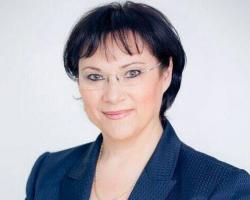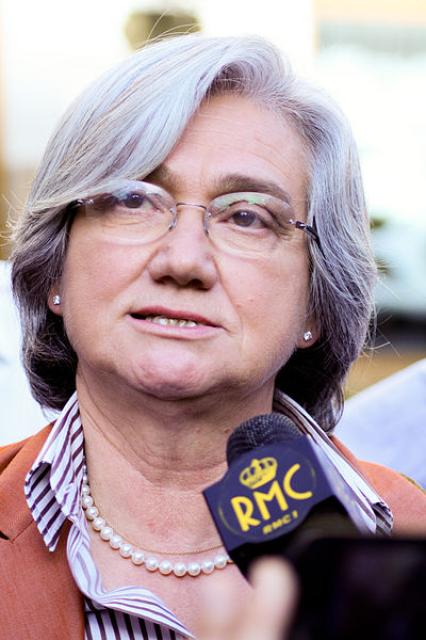
Rosaria Bindi
 Italy
Italy- Early Life and Education
- Academic and Political Career
- Ministerial Appointments
- Leadership of the Democratic Party
- Anti-Mafia Commission
- Controversies and Personal Life
Early Life and Education
Maria Rosaria Bindi was born on February 12, 1951, in Sinalunga, Tuscany, Italy, to a devout Catholic family. She graduated with a degree in Political Science from the Guido Carli Free International University for Social Studies in Rome (LUISS).
Academic and Political Career
After graduating, Bindi became an assistant professor to Vittorio Bachelet, a prominent lawyer and politician who taught her law at the university. She served as a member of the Sinalunga municipal council from 1975 to 1980.
In 1980, Bindi witnessed the tragic assassination of Bachelet by the Red Brigades, a militant group. From 1983 to 1989, she held positions in the Italian Catholic Action, including as a member of the National Council and vice-president.
Bindi was elected to the European Parliament in 1989, where she served until 1994. She held various leadership roles, including chairing the Committee on Petitions.
Ministerial Appointments
Starting in 1996, Bindi served as Minister of Health in the first Prodi government. She held the same position in the subsequent D'Alema governments. In 2006, she became Minister without Portfolio for Family Policies in the second Prodi government.
Leadership of the Democratic Party
From 2009 to 2013, Bindi served as President of the Democratic Party. She resigned after the failed presidential bid of Romano Prodi due to internal divisions within the party.
Anti-Mafia Commission
Since 2013, Bindi has chaired the Parliamentary Commission of Inquiry into the Phenomenon of Mafias and Other Criminal Organizations. The commission has been instrumental in investigating and combating organized crime in Italy.
Controversies and Personal Life
Bindi has been the subject of controversy due to her criticism of the Democratic Party's leadership and her alleged lack of support for LGBTQ rights. She remains unmarried and has been the target of homophobic remarks.
In 2015, Bindi's Anti-Mafia Commission published a list of "inacceptable" candidates for regional elections, which sparked accusations of electoral interference.
Despite the controversies, Bindi remains a prominent figure in Italian politics, known for her strong ethics and commitment to fighting corruption and inequality.