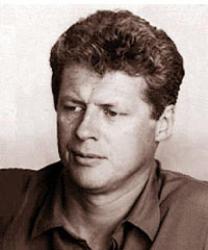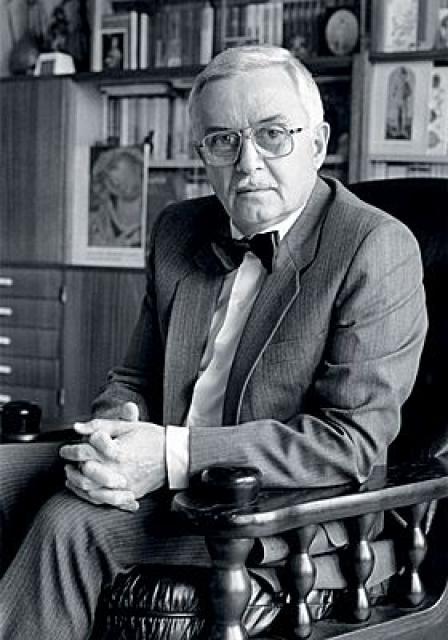
Tangiz Abuladze
 Georgia
- Tengiz Abuladze: A Cinematic Titan
- Career Beginnings and Documentary Interlude
- Breakthrough with "Lurdja Magdana"
- From Neorealism to Epic Allegory
- A Poetic and Symbolic Vision
- Legacy and Impact
Tengiz Abuladze: A Cinematic Titan
Early Life and EducationTengiz Abuladze was born on January 31, 1924, in Kutaisi, Georgia. His artistic journey began with studies at the Tbilisi State Theater Institute named after Rustaveli (1943-1946). Seeking further cinematic knowledge, he enrolled in the directing faculty of the prestigious Gerasimov Institute of Cinematography (VGIK) in Moscow, graduating in 1953 under the tutelage of the legendary filmmakers Lev Kuleshov and Alexandra Khokhlova.
Career Beginnings and Documentary Interlude
Upon graduating, Abuladze joined the "Gruzia-Film" studio as a director. His initial cinematic expressions were short documentary films, often in collaboration with Rezo Chkheidze. These included "Dmitri Arakishvili" and "State Dance Ensemble of Georgia."
Breakthrough with "Lurdja Magdana"
In 1955, Abuladze and Chkheidze co-directed the short fiction film "Lurdja Magdana," which garnered the Grand Prize at the Cannes International Film Festival in 1956. This realistic yet lyrical portrayal of Georgian village life introduced a gallery of vibrant and relatable characters that would become a hallmark of Abuladze's work.
From Neorealism to Epic Allegory
Abuladze's solo directorial debut in 1958, "Nowhere Children," delved into the realm of neorealism, exploring the conflicts within a young Georgian family. He continued in this vein with "I, My Grandmother, Iliko and Ilarion," a charming and humorous portrayal of life in a small Georgian village during wartime.
In 1967, Abuladze embarked on an epic trilogy with the allegorical film "Prayer." Inspired by the works of Georgian poet Vazha Pshavela, "Prayer" delved into universal themes through the symbolic figure of the Poet. The trilogy continued with "The Tree of Desire" (1977), a poignant love story, and culminated in the philosophical masterpiece "Repentance" (1984), which boldly confronted the horrors of Stalin's era.
A Poetic and Symbolic Vision
Abuladze's artistic style was characterized by expressive and poetic visuals that often bordered on documentary realism. He employed philosophical metaphors, parable-like plots, and elevated local narratives to universal proportions. His ability to convey complex themes with poignant imagery and nuanced characterizations left an enduring impact on the cinematic landscape.
Legacy and Impact
Tengiz Abuladze passed away in Tbilisi on March 6, 1994, leaving behind a body of work that continues to inspire and resonate. His films not only celebrated Georgian culture but also explored universal human experiences, challenging conventional wisdom and triggering profound introspection. Abuladze's contributions to cinema earned him widespread recognition, including the title of People's Artist of the USSR in 1980. As one of Georgia's most eminent filmmakers, his legacy lives on, cementing his status as a cinematic visionary who boldly and beautifully captured the human condition.