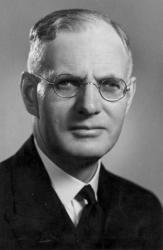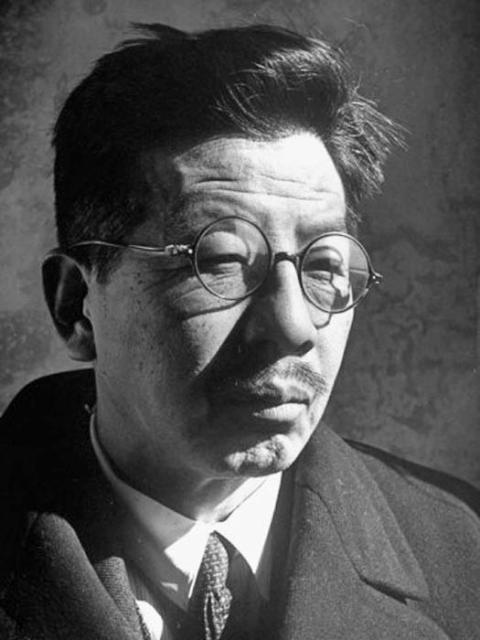
Tetsu Katayama
 Japan
Japan- Early Life and Education
- Legal Career and Political Activism
- Labor Union Activism and Social Advocacy
- Socialist Party Leadership
- Advocacy for Social Justice
- War and Post-War Politics
- Premiership
- Post-Premiership
- Later Years and Legacy
Early Life and Education
Tetsu Katayama was born on July 27, 1887, in Tanabé, Wakayama Prefecture, Japan. He graduated from Tokyo Imperial University in 1912, majoring in German law.
Legal Career and Political Activism
After graduating, Katayama worked as a lawyer in Wakayama with his father. During his time as a student, he became an advocate of the Christian socialist ideas of Abe Isoo. In 1919, he established his own law firm in Tokyo, focusing on labor law.
Labor Union Activism and Social Advocacy
Katayama played a significant role in the Japanese labor union movement, becoming an active member of the Japanese Seamen's Union. He also served as a professor at Tokyo Women's University from 1920 to 1930. Throughout this period, he published several books on labor, women's rights, and social welfare.
Socialist Party Leadership
In 1926, Katayama was one of the founders of the Socialist People's Party and became its general secretary. He was elected to the House of Representatives in 1930 from Kanagawa Prefecture.
Following the government's banning of the Socialist People's Party in 1931, Katayama helped organize its successor, the Socialist Mass Party. He was elected to the party's Executive Committee in 1932.
Advocacy for Social Justice
In parliament, Katayama emerged as a leader of the party's Social Democratic wing, consistently advocating for the rights of workers, women, and the socially disadvantaged.
War and Post-War Politics
During World War II, Katayama withdrew from politics and focused on his legal practice. After the war, he helped organize the Japan Socialist Party in 1945 and became its general secretary and later its chairman in 1946.
Premiership
In the April 1947 parliamentary elections, no party secured a majority. Katayama formed a coalition government with the Democratic Party and the People's Cooperative Party, becoming Japan's first socialist Prime Minister on May 24, 1947.
During his administration, Katayama abolished the Home Ministry and reformed the bureaucracy. He resigned eight months later in February 1948 after losing support from the left wing of his own party.
Post-Premiership
After his resignation, Katayama remained active in left-wing politics. He became president of the Socialist Party in 1950 but was dismissed in 1951. He left the party in 1952.
Later Years and Legacy
Katayama held various positions in anti-war and constitutional defense organizations from the 1950s to the 1960s. He retired from politics after the 1963 parliamentary elections and was honored as a citizen of Kanagawa Prefecture in 1969.
Tetsu Katayama passed away on May 30, 1978, at the age of 90. He is remembered as a pioneering socialist and a tireless advocate for social justice.