Tiberios III
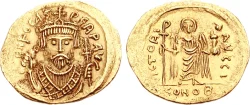
Tiberios III, also called Tiberius III, was Byzantine emperor from 698 to 705. Before his accession he was known as Apsimar and served as a naval commander. He came to power through a revolt following the loss of Carthage to Arab forces and ruled during a turbulent period of shifting military loyalties and dynastic conflict.
From Commander to Emperor
Little is known about Apsimar’s early life. He commanded troops in the Cibyrrhaeot fleet, which operated in the eastern Mediterranean. In 698, Byzantine forces campaigning to recover Carthage were forced to withdraw. Fearing punishment for the failure, officers revolted and proclaimed Apsimar emperor. He adopted the imperial name Tiberios, marched on Constantinople, and deposed Emperor Leontios.
The new ruler faced continued pressure from Arab armies and internal instability. His government sought to maintain the empire’s defenses and manage the consequences of population movements in the eastern Mediterranean. One policy associated with his reign was the return to Cyprus of inhabitants who had previously been relocated to the region around Cyzicus, along with some captives who had been taken to Syria.
The Return of Justinian II
Tiberios’s rule ended with the return of Justinian II, the emperor he had helped displace. Justinian had spent years in exile but secured support from the Bulgarian ruler Tervel. In 705, his forces approached Constantinople and took the city. Tiberios fled, but was captured and executed after Justinian regained the throne. The deposed Leontios was also killed.
Name and Historical Record
The numbering of this ruler varies: some sources call him Tiberios II, while others use Tiberios III to distinguish him from an earlier emperor named Tiberius. Most modern reference works use Tiberios III. Ancient narratives, written from the perspective of later rulers, often portray him chiefly as a usurper. His reign nonetheless reflects the political volatility of the late seventh century, when military commanders could become emperors and emperors could be swiftly overthrown by rival forces.