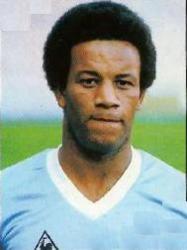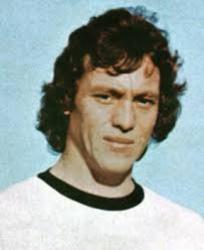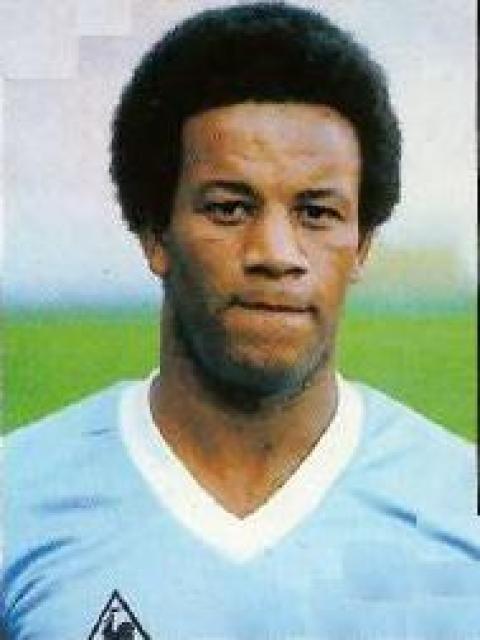
Víctor Diogo
 Uruguay
Víctor Hugo Diogo Silva grew up in modest circumstances in Treinta y Tres, Uruguay, and became one of the country’s prominent defenders of the 1980s. A versatile player who began as a midfielder, he won major honors with Peñarol and Uruguay, scored a memorable goal against Brazil in the 1983 Copa América final, and represented his country at the 1986 World Cup.
Early Life and Peñarol
Diogo was born on April 9, 1958, in Treinta y Tres. His father died when he was five, and he grew up with his mother, stepfather and three siblings. In a 2024 interview, he recalled a childhood without running water or electricity, helping with odd jobs and learning to adapt to what his family had. He later described those experiences as a lasting reminder to value people and not forget where he came from.
He first traveled to Montevideo to try out for Peñarol in 1974, but returned home because he missed his family. A year later he moved to the capital and joined the club’s youth ranks. At first he played in midfield. After injuries opened a place in the first team, coach Hugo Bagnulo’s assistant José Etchegoyen encouraged him to switch to right back, arguing that the position would make better use of his ability and versatility. Diogo made the change and became known for combining defensive grit with his willingness to carry the ball forward.
A Champion at Club and International Level
Diogo established himself at Peñarol as the club won Uruguayan league titles in 1979, 1981 and 1982. In 1982, the team captured the Copa Libertadores, defeating Chile’s Cobreloa in the final, and then beat England’s Aston Villa to win the Intercontinental Cup. Diogo later said that winning continental and world titles with his boyhood club was a source of enduring pride.
His international career began in the youth ranks. He was part of Uruguay’s team that won the South American Under-20 Championship in 1977 and finished fourth at the World Youth Championship in Tunisia. He made his senior debut in 1979 and went on to earn 33 caps, scoring once.
That goal came in the first leg of the 1983 Copa América final against Brazil. Diogo pushed forward from defense and scored Uruguay’s second goal in a 2–0 win in Montevideo. The second leg ended 1–1, giving Uruguay the title. He also won the 1980–81 Gold Cup, a tournament featuring previous world champions.
Diogo played at the 1986 World Cup in Mexico, where Uruguay reached the round of 16. The campaign included a heavy 6–1 defeat to Denmark, a result he later said was painful and difficult to forget. Uruguay was eliminated by Argentina; Diogo missed the match after receiving a second yellow card in the tournament.
Later Career and Legacy
After his long spell with Peñarol, Diogo moved to Brazil and played for Palmeiras from 1984 to 1989, ending his professional career there. His son Carlos also became a professional footballer, continuing the family’s connection to the game.
In interviews, Diogo has spoken with pride about the titles he won while remaining candid about the disappointments, including Uruguay’s difficult 1986 World Cup. He has also expressed a traditional view of competition, arguing that national teams should take the field with the expectation of winning. His story is remembered through a mix of defensive versatility, team success and one decisive attacking moment: the goal against Brazil that helped secure a continental championship.