William Adamson
 Great Britain
- From the Coalfield to the Union Movement
- Chairing Parliamentary Labour
- Scotland’s Senior Minister
- Defeat and Legacy
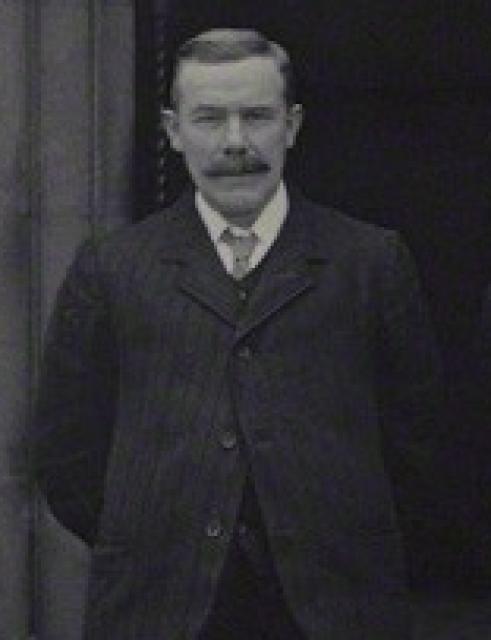
William Adamson rose from a Fife mining community to the centre of British politics, carrying the experience of the coalfields into Parliament and the Cabinet. A miner for much of his early life, he became a trade union official, represented West Fife for more than two decades and chaired the Parliamentary Labour Party during its emergence as the official opposition. He later served twice as Scotland’s senior minister in Ramsay MacDonald’s Labour governments.
From the Coalfield to the Union Movement
Adamson was born on 2 April 1863 in Halbeath, near Dunfermline, Scotland. His father was a miner, and William began working in the pits at about eleven, spending 27 years in the mining industry. The work shaped his understanding of the insecurity and physical demands faced by mining families. He joined the local miners’ association and built a career in the labour movement, first as an assistant official and then as general secretary of the Fife, Kinross and Clackmannan Miners’ Association.
His union work brought him into contact with the growing Labour movement. Adamson stood for Parliament in the January 1910 general election but was unsuccessful. He won West Fife in the December election that year and entered the House of Commons as a Labour MP. He would hold the seat until 1931, speaking on issues central to workers and mining communities.
Chairing Parliamentary Labour
In 1917 Adamson became chairman of the Parliamentary Labour Party, succeeding Arthur Henderson. In the years that followed, Labour’s position in the Commons changed dramatically: after the 1918 election, it became the largest opposition party. Adamson therefore served as the party’s parliamentary leader through a pivotal period, remaining in the role until 1921, when he was succeeded by J. R. Clynes. His tenure coincided with intense debate over industrial conflict, coal, wages and the party’s role in national government.
A practical advocate of the miners’ cause, Adamson supported public ownership of the mines. He also helped establish Labour as a serious parliamentary force, bridging the party’s trade union origins and its expanding electoral responsibilities. In 1918 he was made a member of the Privy Council, reflecting his growing standing in public life.
Scotland’s Senior Minister
When Ramsay MacDonald formed Britain’s first Labour government in 1924, Adamson became Secretary for Scotland, serving from January until the government fell in November. MacDonald appointed him again in 1929, this time as Secretary of State for Scotland, a position he held until 1931. His responsibilities put him at the head of Scottish affairs within the UK government and marked the culmination of a political journey from the mining districts of Fife to the Cabinet.
Adamson received civic recognition in Scotland during these years, including honorary degrees from the universities of St Andrews and Glasgow. He was also a trustee of the National Library of Scotland. His public work remained connected to his home region, where his background as a miner and local union official continued to inform his reputation.
Defeat and Legacy
The Labour government’s electoral defeat in 1931 cost Adamson his West Fife seat and ended his ministerial career. He never returned to Parliament. He died in 1936, aged 72.
Adamson’s legacy rests on the route he helped open for working-class political representation. A miner from boyhood, he became a union leader, a long-serving MP and a Cabinet minister responsible for Scottish affairs. As Parliamentary Labour chairman during the party’s transformation into the main opposition, he occupied a consequential position at a time when Labour was learning how to turn a movement rooted in industry into a lasting force in government.