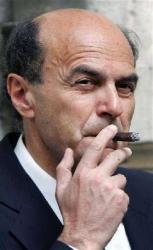
Yasuo Fukuda
 Japan
JapanBiography of Yasuo Fukuda
Yasuo Fukuda, born on July 16, 1936, in Takasaki, Gunma Prefecture, Japan, is a former Prime Minister of Japan and the former leader of the Liberal Democratic Party (from 2007 to 2008). He previously served as the Chief Cabinet Secretary (2000-2004) and the State Minister for Gender Equality (2001-2004). Fukuda has been a member of the House of Representatives of the Parliament since 1990.
Early Life and Education
Yasuo Fukuda was born as the eldest son in a family of politicians. His father, Takeo Fukuda, went on to become the Prime Minister of Japan. In 1955, Fukuda graduated from Azabu High School in Tokyo, and four years later, he completed his studies in Political Science and Economics at Waseda University. After finishing his education, Fukuda worked for a Japanese oil corporation. In 1962, he was sent to the United States, where he spent two years.
Political Career
In 1976, Fukuda began his political career as his father's secretary. Takeo Fukuda served as the Prime Minister of Japan from 1976 to 1978. From 1978 to 1989, Yasuo Fukuda was the Director of the Institute of Financial Research at Kindai. In February 1990, Fukuda was elected to the House of Representatives of the Parliament, representing the 4th electoral district of Gunma Prefecture. He was subsequently reelected multiple times. From 1992 to 1999, Fukuda led the parliamentary committee on foreign affairs and served as the parliamentary vice-minister for international affairs from 1995 to 1996. Fukuda held various positions in the ruling Liberal Democratic Party of Japan (LDP), including director of the international department from 1995 and deputy secretary-general from 1997. In 2000, he became the deputy chairman of the party's Council on Strategic Studies.
Prime Minister and Resignation
From 2000 to 2004, Fukuda served as the Chief Cabinet Secretary in the governments of Yoshiro Mori and Junichiro Koizumi. He skillfully managed the relationship between government agencies, making him the longest-serving Chief Cabinet Secretary at the time. In addition, from 2001 to 2004, he served as the State Minister for Gender Equality. However, in 2004, Fukuda resigned following a scandal involving the failure of the cabinet secretary and other government officials to pay their legally required pension contributions. Researchers also attributed Fukuda's resignation to his strained relationship with Prime Minister Koizumi, suggesting that while he appeared reserved in public, Fukuda had a reputation for his tough communication style behind the scenes.
In 2005, Fukuda became the head of the LDP's editorial committee for the preparation of a new constitution and the Small Committee on Security and Emergency Situations. Later that same year, he became the director of the Special Committee for the Study of the Japanese Constitution and the chairman of the LDP's Research Commission on Housing Construction and Land Policy. Fukuda gained recognition as one of the opponents of the Yasukuni Shrine, a Shinto shrine dedicated to the memory of Japanese individuals who died in World War II, including war criminals. The rituals performed at the shrine caused controversy and dissatisfaction, particularly in neighboring countries such as South Korea and China.
In 2006, Fukuda was one of the contenders to succeed Koizumi as the Prime Minister of Japan but withdrew from the race before the vote. Shinzo Abe became the new Prime Minister of Japan, and Fukuda joined the LDP's General Council in October 2006. On September 12, 2007, Prime Minister Abe announced his intention to resign. In the LDP leadership elections held on September 23, 2007, Fukuda emerged as the winner, defeating his sole opponent, Taro Aso. Fukuda was considered a more moderate and compromising politician compared to Aso, who had nationalist views aligned with Abe. Supporters of Fukuda regarded his moderation and restraint as his strengths, while critics criticized him for a lack of experience and personal charisma to lead the government.
On September 25, 2007, Fukuda was approved by the House of Representatives as the Prime Minister, and the following day, the new government was sworn in by Emperor Akihito.
During his tenure as Prime Minister, Fukuda faced a challenging situation as the opposition Democratic Party gained a majority in the House of Councillors in the 2007 elections, leading to a political crisis. The Democrats blocked most of Fukuda's proposed legislation. His moderate political stance and desire to improve relations with China did not resonate with the voters. By the end of August 2008, Fukuda's approval rating had dropped to only 29 percent. He faced criticism, especially for the implementation of a healthcare program that placed a significant financial burden on elderly Japanese citizens.
On September 1, 2008, Fukuda unexpectedly announced his resignation as Prime Minister and leader of the LDP. In his speech, he stated that his resignation was aimed at resolving the political deadlock in the country. He also announced that he would continue to fulfill his duties as Prime Minister until a new party leader and head of government were chosen in September. On September 24 of the same year, Taro Aso was elected by the Parliament of Japan as the Prime Minister, with 337 deputies voting in favor of him during a session in the lower house of the parliament.