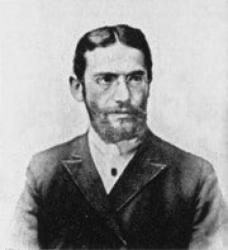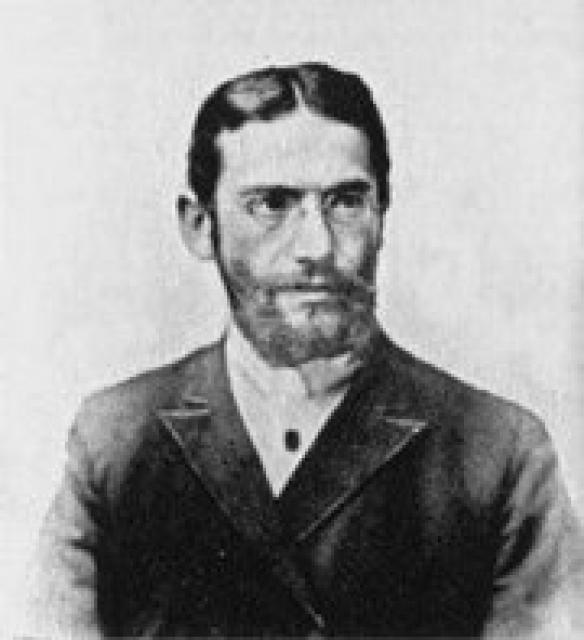
Zigbert Tarrash
 Germany
- Early Life and Education
- Medical and Chess Careers
- Contributions to Chess Theory
- Impact on Chess
- Competition and Personal Life
- Legacy
Early Life and Education
Siegbert Tarrasch was born in Breslau, Prussia (now Wrocław, Poland) on March 5, 1862. He attended the Elisabeth-Gymnasium and later studied medicine at the University of Breslau.
Medical and Chess Careers
After graduating, Tarrasch practiced medicine in Nuremberg and later in Munich. However, his true passion lay in chess. He gradually reduced his medical practice and eventually devoted himself entirely to the game.
Contributions to Chess Theory
Tarrasch significantly expanded upon the teachings of Wilhelm Steinitz, developing the principles of positional play. His landmark work, "300 Chess Games," presented these principles in an accessible format, revolutionizing chess understanding.
Impact on Chess
Tarrasch's work established chess as a scientific discipline. He became known as the "World Teacher of Chess" and influenced generations of players. However, his dogmatic approach drew criticism from some quarters, including Aron Nimzowitsch.
Competition and Personal Life
Despite being recognized as the "Champion of Europe," Tarrasch never pursued the World Championship title. He preferred medicine to professional chess. Tarrasch married Anna Rosalia Rudolph in 1865, and they had five children. He later divorced in 1924 and remarried Gertrude Schröder.
Legacy
Siegbert Tarrasch died on February 17, 1934. He is remembered as one of the greatest chess players and theorists of all time. His contributions to the game have had a lasting impact and continue to inform chess strategy today.