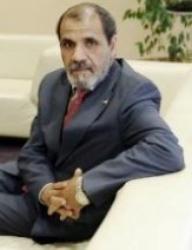
Abash Shirin
Shirin Abash was an Abkhaz community figure from the village of Adzyubzha, remembered for helping establish a collective farm and for his family’s place in Soviet-era public life. Family accounts and regional reporting identify him as the son of Amber Abash and Sofia Mazalia, and place his life between 1898 and 1958.
Family and Community
Abash grew up in a family that belonged to Adzyubzha’s Afro-Abkhaz community. His descendants have described the family as Abkhaz: they spoke and thought in the Abkhaz language and understood themselves as part of the local community. The family history has often attracted attention, but accounts of its deeper origins differ, so the most reliable record is the history preserved by descendants and local reporting.
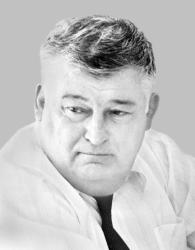
Abash married Lia Katsia, an Abkhaz woman, and they had two children, Nuri and Nutsa. His daughter Nutsa later became a physician and a widely recognized figure in Soviet media.
Work in Adzyubzha
Abash was among the founders of the collective farm in his village and was remembered locally as an exemplary farm worker. A photograph preserved by his family shows him receiving a certificate for his work. Regional reporting describes him as a respected figure in Adzyubzha and records a visit from the African American singer Paul Robeson in the early 1950s. The meeting reflected the Soviet Union’s public interest in showcasing communities of African descent within its multiethnic society.
Abash died in 1958. At his funeral, Henry Winston, an African American leader of the Communist Party USA who was visiting Abkhazia, reportedly spoke.
The Abash Family’s Wartime Story
Some online biographies confuse Shirin with his elder brother Shaaban. It was Shaaban—not Shirin—who served in the Abkhazian Hundred of the Circassian Cavalry Regiment during the First World War. Shaaban later held public office in Abkhazia and was a close associate of Nestor Lakoba.
The distinction matters because the brothers’ lives represented different parts of the family story: Shaaban’s military and political path, and Shirin’s agricultural and community work in Adzyubzha.