Ahab
- Dynasty and Reign
- Israel’s Power and Regional Politics
- Naboth and the Prophetic Tradition
- Death and Legacy
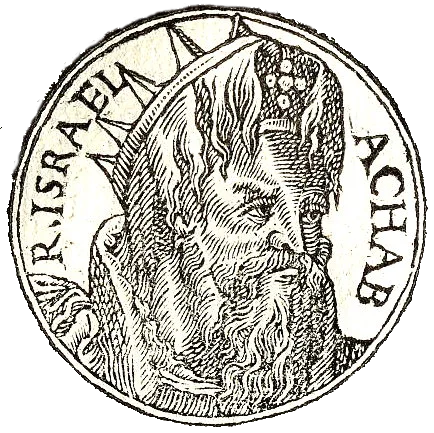
Ahab ruled the northern Kingdom of Israel during a period of striking political and military strength. The Hebrew Bible remembers him as a king whose marriage to the Phoenician princess Jezebel brought Baal worship into royal life and provoked the prophet Elijah. Assyrian records offer another glimpse: they place a ruler identified as Ahab among the coalition that confronted the Assyrian king Shalmaneser III at Qarqar.
Dynasty and Reign
Ahab was the son of Omri, founder of a powerful royal house, and succeeded him as king in the ninth century BCE. The biblical account dates his reign to twenty-two years. His marriage to Jezebel, daughter of the king of Sidon, connected Israel to a major Phoenician power and made the royal household a focus of religious controversy in the biblical narrative. The books of Kings portray Ahab as an able but morally compromised ruler, especially through stories of his conflict with Elijah.
Israel’s Power and Regional Politics
Ahab’s kingdom was one of several states competing for influence in the Levant. In 853 BCE, Shalmaneser III’s Kurkh Monolith records a coalition of rulers who fought the Assyrian army at Qarqar. Among them is “Ahab the Israelite,” generally identified with the biblical king. The inscription assigns him a substantial force of chariots and soldiers, though royal military tallies should be treated with caution. The record confirms that Israel participated in the regional balance of power, even as it tells the story from the perspective of its Assyrian enemy.
The biblical narrative also describes Ahab’s wars and diplomatic dealings with Aram-Damascus and his alliance with Jehoshaphat, king of Judah. It recounts his death in battle at Ramoth-gilead. These accounts are religiously framed histories, and their details cannot always be independently verified, but they preserve a vivid portrait of the political pressures faced by the northern kingdom.
Naboth and the Prophetic Tradition
One of the best-known stories about Ahab concerns Naboth’s vineyard. According to 1 Kings, Ahab wanted Naboth’s land, and Jezebel arranged Naboth’s death so that the property could be seized. Elijah then pronounced judgment on the royal house. The episode became a lasting biblical illustration of royal power used unjustly. It is part of the scriptural tradition rather than a separately confirmed event, and it has shaped Ahab’s reputation far beyond the limited evidence for his reign.
Death and Legacy
Ahab’s son Ahaziah succeeded him. The dynasty founded by Omri soon faced upheaval, and later biblical writers made Ahab a central figure in their account of religious conflict and dynastic judgment. Read alongside Assyrian evidence, the tradition suggests a king remembered both as a forceful ruler in a powerful state and as a cautionary figure in Israel’s prophetic history.