Bianca Cappello
 Italy
- Venice and an elopement
- From court favorite to grand duchess
- Influence and patronage
- Death and reputation
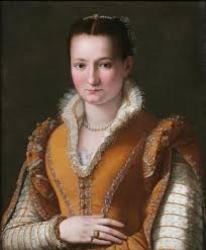
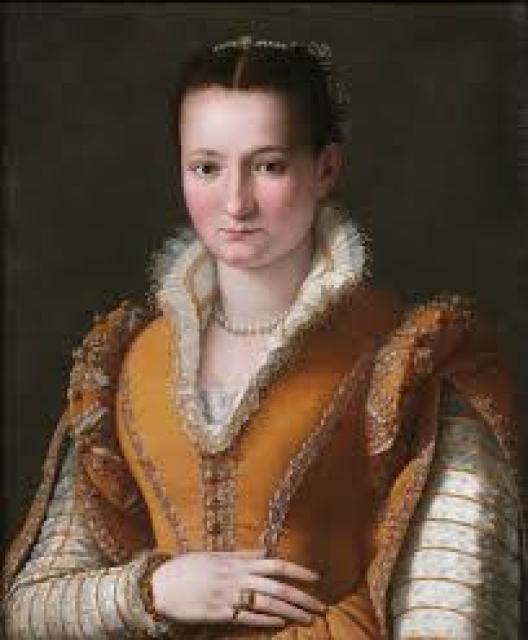
Bianca Cappello rose from the Venetian aristocracy to become Grand Duchess of Tuscany, a remarkable ascent shaped by a teenage elopement, a long relationship with the Medici heir and a marriage that scandalized the Italian courts. Celebrated for her cultural patronage and courtly influence, she remained a controversial figure to contemporaries, many of whom viewed her rapid rise with suspicion.
Venice and an elopement
Cappello was born in Venice in 1548 to Bartolomeo Cappello and Pellegrina Morosini, members of two prominent aristocratic families. At about fifteen, she began a clandestine relationship with Pietro Bonaventuri, a young Florentine clerk working for the Salviati banking house in Venice. In 1563 the pair left the city together and married in Florence. Their flight angered her family and drew diplomatic attention, but the marriage made her a member of Florentine society.
The couple had a daughter, Pellegrina. Soon after the marriage, Francesco de’ Medici, eldest son of the reigning Duke Cosimo I, took an interest in Cappello. She and Francesco began a relationship that continued even after his marriage to Giovanna of Austria in 1565. Their affair made Cappello a subject of court gossip and strained relations between Florence and Venice.
From court favorite to grand duchess
Francesco became Grand Duke of Tuscany in 1574. Cappello’s position at court grew, while her first husband was murdered in 1572 under circumstances that implicated powerful Florentine interests; historians have debated the extent of Francesco’s involvement. The relationship between Cappello and the new grand duke continued openly, and she became a major presence in Florentine court life.
After Giovanna died in 1578, Francesco and Cappello married privately on June 5. The secret did not remain secret for long. The marriage was repeated publicly with ceremony and Cappello’s coronation as grand duchess on October 12, 1579. Venice, which had once pursued her over her departure, soon welcomed the new dynastic connection and bestowed honors upon her.
Influence and patronage
Cappello’s influence was strongest in the world of the court rather than formal government. She organized lavish entertainments and helped shape the fortunes of courtiers by securing offices and honors. Her charitable giving and interest in the arts supported writers, musicians and painters. Among those who dedicated work to her were the poet Torquato Tasso and members of the circle that helped develop the Florentine musical style later associated with opera.
Her position was complicated by the question of succession. Francesco and his first wife had a son, Filippo, who died young, while Cappello had no surviving legitimate child with the grand duke. She presented a boy named Antonio as their son, but his parentage and claim to succession remained contested, and he was not accepted as a legitimate heir.
Death and reputation
Bianca and Francesco died at the Medici villa at Poggio a Caiano in October 1587, within hours of one another. Rumors that they had been poisoned spread quickly, with some suspicion falling on Francesco’s brother, Cardinal Ferdinando. Modern historical accounts generally regard a malarial fever as the likely cause of their sudden deaths, though the mystery helped cement Cappello’s dramatic reputation.
Her life was often recounted as a cautionary tale about ambition and scandal, but archival histories present a more complex court figure: a woman who negotiated a path through dynastic politics, patronage and public ceremony in an era when women’s power was rarely formal. Her rise from Venice to the Tuscan court remains one of the most striking stories of Renaissance Italy.