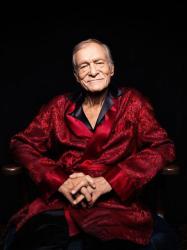
Bungaku Ito
 Japan
Bungaku Ito is a Japanese publisher, editor, writer and tanka poet whose best-known work helped bring gay men’s lives into public view. In 1971, he founded *Barazoku*, widely described as Japan’s first commercial magazine for gay men. Its arrival in ordinary bookshops gave readers a rare source of information and connection at a time when LGBTQ lives were largely absent from mainstream publishing.
Early life and publishing
Ito was born in Tokyo on March 19, 1932. He studied Japanese literature at Komazawa University and wrote tanka poetry as a student. After graduating, he joined his father’s publishing company, Daini Shobo, where he learned the business of producing books and magazines.
His early publishing work ranged across poetry and other subjects. In 1962, he launched the Night Books series, which grew into a commercially successful line. The experience helped him build the small publishing house and shaped his later focus on specialist magazines.
Founding *Barazoku*
Ito founded *Barazoku* in 1971 and served as its editor in chief for about four decades. At a time when gay men had few public meeting places or media outlets, the magazine offered articles, reader letters and opportunities to connect. Its presence on mainstream bookstore shelves made gay men more visible and helped readers find a community beyond their immediate circles.
The magazine’s influence was significant, but its legacy has also been debated. Later accounts have noted tensions between Ito’s position as a heterosexual publisher and the perspectives of gay readers and activists, as well as disagreements over the magazine’s editorial views. Both its pioneering visibility and those criticisms form part of the history associated with *Barazoku*.
The magazine ceased publication in 2004, after decades of changes in the media landscape and the growth of online alternatives.
Other work and legacy
Alongside publishing, Ito has written and collected art. He became director of the Roman no Izumi Museum, dedicated to works by French artist Louis Icart. His career bridges commercial publishing and cultural interests, while *Barazoku* remains the work most closely tied to his public profile.
Ito’s contribution is remembered as a landmark in Japanese gay media: he helped create a widely available platform at a time when such visibility was unusual, and the magazine’s history continues to prompt discussion about who tells LGBTQ stories and how.