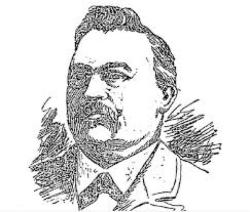
Dosta Dimovska
 Macedonia
Dosta Dimovska built a public life that moved between poetry, party politics, and the security services. A trained philosopher and poet, she became one of Macedonia’s most prominent women in government, serving as interior minister and later leading the country’s Intelligence Agency. Her career also became entangled in a major wiretapping controversy that shaped how many people remembered her.
Education and Early Career
Born in Skopje on February 17, 1954, Dimovska graduated from the Faculty of Philosophy at the University of Skopje and later worked there as a professional associate. Alongside her academic work, she wrote poetry and entered public life during the political changes that accompanied the breakup of Yugoslavia.
Political Rise
In 1991, Dimovska became deputy leader of VMRO-DPMNE and was elected to the first Macedonian parliament. She served as a member of parliament through 1994 and chaired its Committee on International Relations. After the party returned to power, she became a deputy prime minister in 1998.
From December 1999 to May 2001, Dimovska served as minister of the interior. In February 2001, allegations emerged that the ministry had tapped the phones of roughly 190 politicians and journalists. She resigned that May. After a period back in government, she left cabinet and party positions in early 2002, then was appointed director of the Intelligence Agency on February 25, 2002.
Controversy and Public Image
The wiretapping affair followed Dimovska into her intelligence post. In April 2003, President Boris Trajkovski pardoned her shortly before she was due to face trial in connection with the case. The decision provoked sharp public and political criticism, with debate over the pardon’s legal and ethical basis. Dimovska resigned as intelligence director on May 5, 2003. The allegations and the pardon remain central to accounts of her political legacy; the case did not proceed to a trial verdict against her.
Later Years and Legacy
Dimovska later founded the Democratic Republican Union of Macedonia (DRUM). In 2007 she became director of the Macedonian Cultural and Information Center in Sofia, Bulgaria, a post she held until 2010. She died in Sofia on April 4, 2011, aged 57.
Her story resists a single label: she was both a poet with a philosophical education and a senior figure in a turbulent era of Macedonian politics. For supporters, her rise represented a new generation of women in public office; for critics, the wiretapping scandal and presidential pardon became an enduring measure of the controversies surrounding her power.