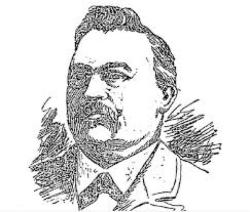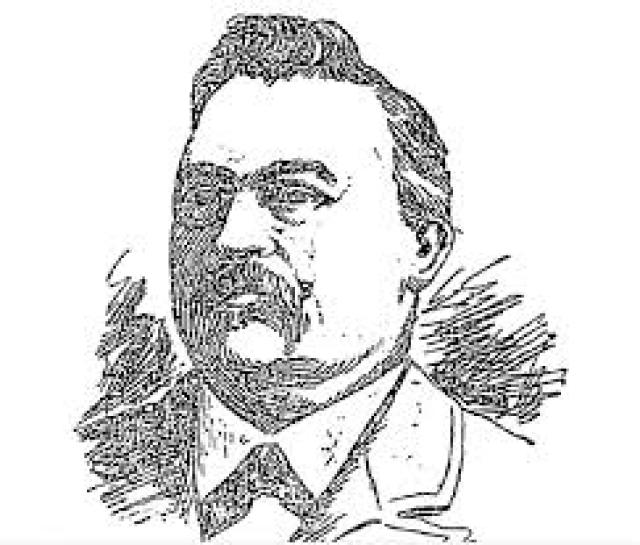
Hermann Ahlwardt
 Germany
- From Classroom to Politics
- Antisemitic Campaigning
- Reichstag Career and Legal Troubles
- Final Years and Legacy
Hermann Ahlwardt began his working life as a schoolteacher and ended it as one of the German Empire’s most notorious antisemitic agitators. A gifted crowd speaker and prolific pamphleteer, he won a seat in the Reichstag, but his political notoriety rested on conspiracy theories, defamatory accusations, and repeated clashes with the courts.
From Classroom to Politics
Born on December 21, 1846, in Krien, Pomerania, Ahlwardt worked as a primary-school teacher before becoming a headmaster in Berlin in 1881. His career in education ended after financial misconduct involving money collected from pupils. He turned to writing and public speaking, finding an audience among voters angry about economic hardship and political change.
Antisemitic Campaigning
From 1890, Ahlwardt published pamphlets portraying Jews as a threat to Germany and promoting baseless conspiracy claims. His 1892 pamphlet *Judenflinten* (“Jewish Rifles”) accused the Jewish-owned arms manufacturer Ludwig Loewe & Co. of supplying defective weapons to weaken the German military. The claims were defamatory; Ahlwardt was convicted and sentenced to prison. He had also faced prosecution over earlier libels, and his attacks led to further court cases and party conflicts.
His rhetoric helped make antisemitism a conspicuous, if divisive, force in late imperial politics. Ahlwardt was known for theatrical speeches and the mocking nickname “Rector of all Germans,” while the substance of his agitation relied on scapegoating and fabricated allegations.
Reichstag Career and Legal Troubles
In 1892, Ahlwardt entered the Reichstag after winning a by-election in the Arnswalde-Friedeberg constituency. He remained a deputy until 1902, repeatedly returning to parliament despite legal penalties and opposition from established conservatives. With Otto Böckel, he helped publish the newspaper *Deutsches Volksrecht* and establish the Antisemitic People’s Party, though disputes over his methods led to his exclusion from the party.
Ahlwardt continued political agitation after leaving parliament and also campaigned in the United States, without success. In 1909, he was convicted of blackmail, another episode in a career marked by legal and political scandal.
Final Years and Legacy
Ahlwardt died in Leipzig on April 16, 1914. His legacy is inseparable from the antisemitic propaganda he spread: he converted conspiracy theories into a vehicle for electoral attention and helped bring radical Jew-hatred into the Reichstag’s public debates. Historians remember him as a demagogue whose notoriety came not from public service, but from the harm and controversy generated by his accusations.