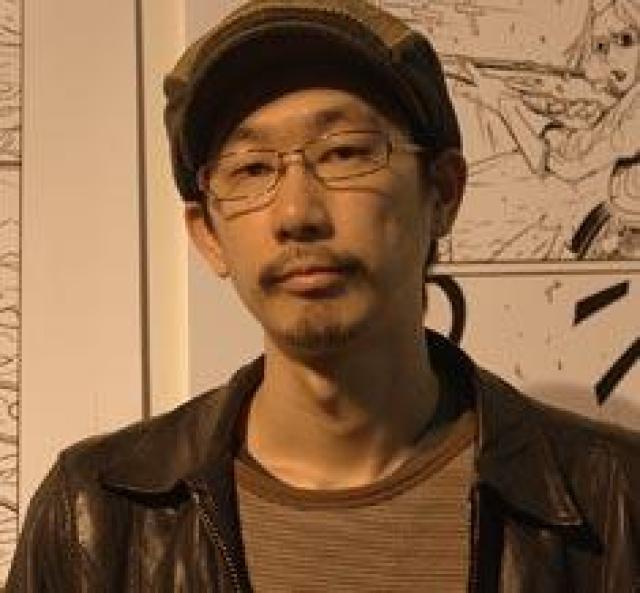
Enka Sygihara
 Japan
Japan- Enka Sugahara: A Japanese Artist with a Russian Connection
- Russian Influence on "First Platoon: The Moment of Truth"
- Unfamiliarity with Soviet History
- Japanese Perspective on Cheburashka
- Historical Figures in Japanese Manga
- Current Manga Trends
- Taboos in Japanese Manga
- Age Restrictions in Manga
- The Youngest Manga Readers
- Manga vs. Literature
- The Future of Manga
- International Influence on Russian Comics
Enka Sugahara: A Japanese Artist with a Russian Connection
Japanese Enthusiasm for CheburashkaEnka Sugahara, a Japanese artist, has witnessed the immense popularity of Cheburashka, a Russian cartoon character, among Japanese youth. Despite not having watched the anime, young women in Japan adore Cheburashka. In fact, the beloved character has inspired an entire industry of merchandise, including bags, clothing, and keychains.
Russian Influence on "First Platoon: The Moment of Truth"
Sugahara's manga series, "First Platoon: The Moment of Truth," is part of a project inspired by the anime of the same name. The producers envisioned a comic with a distinctly Russian flavor. However, Sugahara's understanding of Russia was limited, leading to some of his suggestions being rejected.
Unfamiliarity with Soviet History
Prior to working on "First Platoon," Sugahara had no knowledge of the Soviet Union or its history. His only exposure to the country came through Soviet-era films like Eisenstein's "Battleship Potemkin" and Tarkovsky's "Solaris" and "Stalker." His familiarity with Soviet history was limited to a Russian cartoon featuring Cheburashka.
Japanese Perspective on Cheburashka
In Japan, Cheburashka is a beloved character, especially among young women, despite the lack of anime featuring him. His popularity has spawned an extensive merchandise industry. However, compared to Matryoshka dolls, another popular Russian symbol in Japan, Cheburashka's popularity is somewhat diminished.
Historical Figures in Japanese Manga
While real-life figures have been featured in Japanese comics, such as the famed swordsman Miyamoto Musashi, historical manga is not a popular genre. Instead, manga tends to delve more into educational or fictional subjects.
Current Manga Trends
Sugahara highlights "moe," a genre featuring endearing characters that evoke sympathy in readers, as a current trend. Romantic and action stories also continue to be commercially successful.
Taboos in Japanese Manga
Certain themes are considered taboo in Japanese manga, including military subjects. The Japanese government's reluctance to address World War II may have influenced the decision to work on "First Platoon," as it is a rare opportunity to explore this topic in animation.
Age Restrictions in Manga
Law prohibits the depiction of explicit scenes involving minors in manga. Additionally, certain genres are restricted to readers over 18.
The Youngest Manga Readers
Sugahara notes that children as young as 3 or 4 are introduced to manga through kindergarten-level content.
Manga vs. Literature
Manga poses competition to books, particularly among younger generations. However, as youth transition into adulthood, they often develop an interest in traditional literature.
The Future of Manga
Sugahara believes manga is undergoing a period of transition, with digital platforms offering new possibilities for storytelling. His previous work, "Synesthesia," combined manga with music, allowing readers to listen to songs featured in the story.
International Influence on Russian Comics
Sugahara praises the high quality of Russian artwork exhibited at the "Commision" International Festival of Drawn Stories in Moscow. He observes a growing interest among Russian artists in Japanese manga, American and French comics, and contemporary art. This blending of influences, he believes, could lead to the development of a distinct Russian style in comics.