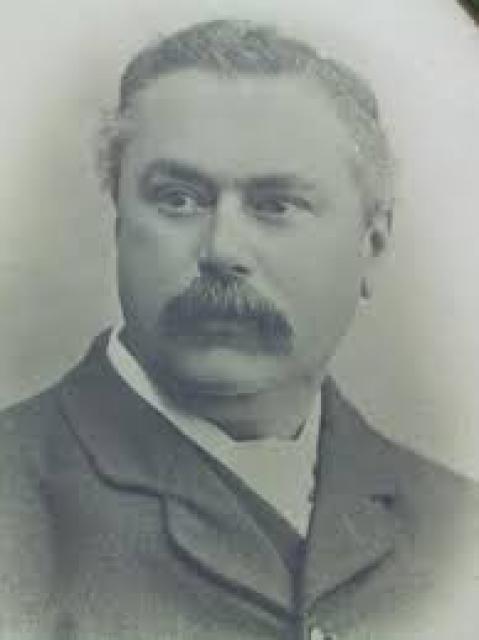
George Cleghorn
 Great Britain
- Sir George Cleghorn, MD
- Early Life and Education
- Service on Menorca
- Contributions to Malaria Treatment
- Founding of the Edinburgh Royal Medical Society
- Later Years and Legacy
Sir George Cleghorn, MD
Sir George Cleghorn, a prominent British physician and professor at the University of Dublin, left an enduring legacy in the field of medicine.
Early Life and Education
Born in Edinburgh, Scotland, in 1716, Cleghorn received his medical education at the University of Edinburgh. His passion for medicine led him to seek further knowledge and experience abroad.
Service on Menorca
In 1744, Cleghorn was deployed to the Mediterranean island of Menorca, then under British control. For 13 years, he meticulously studied the local epidemic diseases that plagued the population. The culmination of his observations was published in his seminal work, "Observations on the epidemical diseases in Minorca from the year 1744 on 1749" (London, 1751).
Contributions to Malaria Treatment
Cleghorn's book not only provided valuable insights into the epidemiology of diseases in Menorca but also heralded a breakthrough in the treatment of malaria. He meticulously documented his experiences using cinchona bark, the source of quinine, as a remedy for the debilitating disease. Through his advocacy, the use of quinine became widespread in Britain and beyond, saving countless lives.
Founding of the Edinburgh Royal Medical Society
Upon his return to Britain, Cleghorn collaborated with his close friend, John Fothergill, to establish the Edinburgh Royal Medical Society in 1737. This prestigious organization became a hub for medical knowledge and innovation, fostering scientific exchange and advancing the frontiers of medicine.
Later Years and Legacy
Cleghorn retired from active practice in the 1760s and spent his remaining years in Edinburgh, where he continued to contribute to medical thought and practice. His pioneering work on epidemic diseases and the use of quinine in malaria treatment cemented his place as a renowned physician and benefactor of public health.


