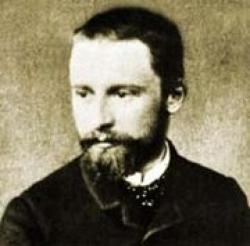
Georges Lacombe
 France
- Biography of Georges Lacombe
- Early Life and Education
- Joining the Nabis
- Career and Style
- Later Years and Legacy
Biography of Georges Lacombe
Georges Lacombe (18.06.1868 – 29.06.1916) was a French sculptor and artist, best known for his sculptural works that impressed even the most critical of art critics. Although he dedicated a significant amount of time to painting, Lacombe did not achieve the same level of recognition as he did as a sculptor.
Early Life and Education
Lacombe was born in Versailles, Yvelines, France, into a wealthy and educated family. His mother, Laura Bonamour Lacombe, was a renowned artist and it was from her that Georges received his first drawing lessons. He continued his education under the guidance of professional educators at the legendary Académie Julian in Paris. Among his mentors were esteemed Impressionist artists such as Henri Gervex and Alfred-Philippe Roll.
Joining the Nabis
In 1892, Lacombe joined the artistic group known as the Nabis, which was originally founded by French artist Paul Sérusier. Through this association, Lacombe had the opportunity to meet other prominent artists such as Sérusier and Émile Bernard. He was particularly influenced by the work of Paul Gauguin, whom Lacombe met in 1893. Gauguin's woodcarvings had a profound impact on Lacombe, and elements of Gauguin's style began to manifest in Lacombe's own work.
Career and Style
Less known for his paintings, Lacombe's reputation primarily came from his achievements as a sculptor. His sculptures gained significant recognition, overshadowing his paintings. Lacombe drew inspiration from a variety of sources. For example, he regularly traveled to Camaret-sur-Mer, Bretagne, where he created numerous studies. He also spent some time living in Alençon.
Later Years and Legacy
Although Lacombe's involvement with the Nabis lasted only five years, this period is considered the most important in his artistic career. In 1904, Lacombe met Belgian artist Theo van Rysselberghe, and this encounter inspired him to transition to Post-Impressionism. In addition to his artistic pursuits, Lacombe shared his sculpting expertise at the Académie Ranson. Notably, he sculpted a bust of Paul-Elie Ranson in 1909. Lacombe passed away on June 29, 1916, at the age of 48, due to tuberculosis.