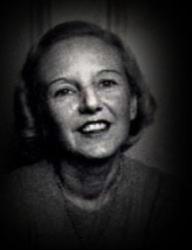
Harold Gilman
 Great Britain
- Harold Gilman: A Luminary of Post-Impressionism
- Founding of the Fitzroy Street and Camden Town Groups
- Artistic Influences and Style
- Post-Impressionism in Scandinavia
- Personal Life and Legacy
Harold Gilman: A Luminary of Post-Impressionism
Early Life and EducationHarold Gilman, a distinguished English Post-Impressionist painter, commenced his artistic journey at the prestigious Slade School of Fine Art (1897-1901).
Founding of the Fitzroy Street and Camden Town Groups
In 1907, Gilman co-founded the Fitzroy Street Group with Walter Sickert. Together, they established a strong influence on British art. In 1911, the influential Camden Town Group emerged, with Gilman and Sickert as its prominent members.
Artistic Influences and Style
Gilman's artistic style was deeply influenced by the likes of Van Gogh, Cézanne, and Gauguin. He later found inspiration in the works of Matisse. Gilman described his own style as "Neo-Realism," a term that encapsulated his realist approach combined with vibrant brushwork and a wide-ranging color palette.
Post-Impressionism in Scandinavia
During trips to Scandinavia in 1912 and 1913, Gilman's paintings showcased the influence of Van Gogh. Works like "Canal Bridge, Flekkefjord" (1913) exemplify this period.
Personal Life and Legacy
Gilman married American artist Grace Cornelia Canedy, with whom he had three children. In 1917, he remarried to Sylvia Hardy, one of his students. Tragically, Gilman succumbed to the Spanish influenza pandemic in 1918-1919, leaving behind a rich artistic legacy that continues to inspire artists today.