Hu Syhuey
 China
ChinaBiography of Hu Sihui
Hu Sihui was a physician and dietitian during the Yuan Dynasty in China. He is well known for his work "Yinshan Zhengyao" (Essential Principles of Food and Drink), which has become a classic in Chinese medicine and cuisine. In this book, he emphasized the importance of proper nutrition in treating various diseases caused by nutritional deficiencies.
Early Life and Career
Hu Sihui, an ethnic Mongol, served as a physician for the Xuanhui Palace during the reign of Emperor Buyantu. He first appeared at the court around 1315 as a doctor for the widowed empress mother and later became responsible for the health of the empress consort. Eventually, he was appointed as the chief imperial physician, responsible for the diet and beverages of the emperor and his large family during the years of Emperor Yingzong's reign (1314-1320).
According to legend, Emperor Yingzong fell ill and suffered from acute kidney pain after years of campaigns. Hu Sihui's vegetable decoction, prescribed to the emperor, cured him within three months. Shortly after, one of the emperor's consorts became pregnant. Hu Sihui was generously rewarded by the emperor for his successful treatment.
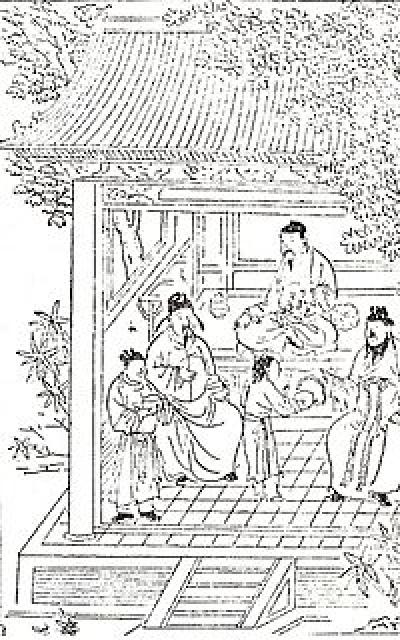
In 1330, Hu Sihui presented his book "Yinshan Zhengyao" to the court, summarizing his experiences as a physician responsible for the health and well-being of the ruler. He advocated for moderation, discipline, and variety in diet, emphasized hygiene and daily routines, highlighted the importance of special diets and abstinence from alcohol for pregnant women. He also described how diseases are related to the lack of essential nutrients and can be treated with proper nutrition. He provided dietary contraindications for the sick and children and wrote about incompatible food combinations. He was the first to write about food poisoning in Chinese science. Hu Sihui also paid attention to proper food storage, appropriate cookware, and more. The recipes and ingredients in the book were described according to their therapeutic effects and included 94 dishes, 35 soups, 29 anti-aging recipes, and others, accompanied by illustrations. He recommended varying the dishes daily according to their conditions and seasonal availability.
Influence and Legacy
The book "Yinshan Zhengyao" reflects both Northern Chinese and significant Mongolian, Turkic, and Persian-Muslim culinary influences that were established at the imperial court during the time of Kublai Khan. As a result, it is considered one of the most important documents on the cuisine of Eurasian medieval times. The ingredient list consists of 230 articles with comments on their nutritional value and effects, including grains, meat, fish, shellfish, fruits, and vegetables. For example, dog meat is described as salty, not very nourishing, non-toxic, and soothing to the organs. Grapes are said to provide strength and strengthen one's character, while excessive consumption of oranges harms the liver.
Hu Sihui's work was widely used not only at the late Yuan court but also during the Ming Dynasty. The Ming Dynasty combined the native cuisine of Southern China with the "Mongolized" (cosmopolitan) cuisine of the Yuan court after occupying Beijing in 1368. Emperor Daizong of the Ming Dynasty personally wrote a preface to one of the editions of Hu Sihui's book, further highlighting its importance and influence.