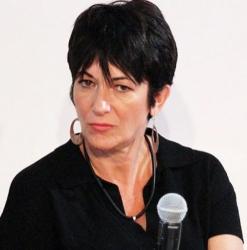
Lisa Bridger
 Australia
n mother and breastfeeding advocate Lisa Bridger became a national media figure after speaking publicly about continuing to breastfeed her school-aged sons. Her story drew attention to extended breastfeeding, the choices families make around weaning and the harsh judgments that can follow when a private parenting decision becomes a public debate.
Family life and a public story
Bridger raised five children in Adelaide. She has said that breastfeeding was part of family life for more than two decades, and that she followed her children’s cues rather than setting a fixed age for weaning. In 2018, interviews and a television appearance brought her experience wider attention after she discussed nursing two of her younger sons, then aged seven and four.
Bridger described breastfeeding as a source of comfort and closeness for her children. She also said that it helped calm her younger sons, who had been diagnosed with autism. These were her personal observations as a parent, not medical advice or a claim that breastfeeding treats autism.
Public debate and advocacy
The coverage prompted strong reactions. Bridger spoke about receiving cruel online messages, including accusations that she was harming her children. She defended her family’s choice and argued that a set age for weaning did not fit every child. In interviews and online posts, she shared her experience to help other parents discuss extended breastfeeding without shame.
Her story became part of a broader public conversation about how society views breastfeeding beyond infancy. Supporters saw her openness as a challenge to stigma; critics questioned whether an older child should continue nursing. Bridger’s public response centered on consent, comfort and her belief that families should be able to make their own decisions without harassment.
Later years
By 2022, Bridger said that the two sons at the center of the coverage had weaned: the older at around seven and a half, and the younger between five and a half and six. The media attention therefore captured a specific period in her family’s life, rather than an ongoing practice.
Bridger is remembered less for a public career than for making a personal parenting choice visible. Her story highlighted how quickly family decisions can become subjects of national debate, and how public discussion can affect both the parent and children involved.