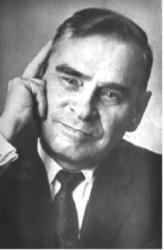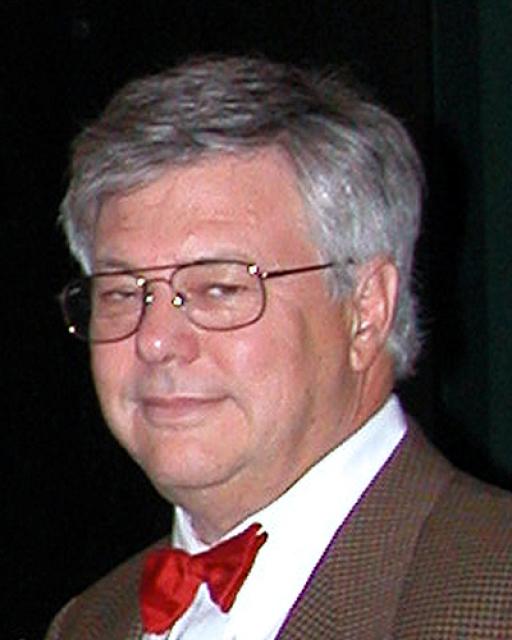
Michael Brown
 USA
USA- Biography of Michael Stuart Brown
- Career and Research
- Impact and Recognition
- Later Career and Achievements
- Personal Life and Honors
Biography of Michael Stuart Brown
Early Life and EducationMichael Stuart Brown, an American physician and biochemist, was born in New York City to Harvey Brown and Evelyn Brown (Katz). He attended the University of Pennsylvania, where he studied chemistry and collaborated on the university newspaper. In 1962, he received his bachelor's degree from the university, and in 1966, he earned his medical degree.
Career and Research
After completing his medical internship at a general hospital in Boston, Brown joined the National Institute of Arthritis and Metabolic Diseases as an adjunct in the Department of Inherited Diseases and Digestive System Diseases. Here, he conducted research on glutamine metabolism in the biochemistry laboratory.
In 1971, Brown became an assistant professor of medicine at the Southwestern Medical School of the University of Texas in Dallas. The following year, Joseph Goldstein joined him, and together they began studying cholesterol metabolism, particularly in individuals with familial hypercholesterolemia, an inherited disorder characterized by high levels of low-density lipoproteins (LDL) and cholesterol in the blood.
Through tissue culture techniques, Brown and Goldstein cultivated skin cells from patients with familial hypercholesterolemia. They discovered that these cells had abnormally high levels of an enzyme responsible for cholesterol synthesis, leading to cholesterol excess. They also found that the cells poorly bound LDL, which led to the discovery of LDL receptors on cell surfaces. They described the process by which the apoprotein component of LDL binds to a specific receptor on the cell surface, known as receptor-mediated endocytosis. This mechanism is also responsible for the entry of other large molecules, such as insulin, iron, and vitamins, into cells.
Within the cell, LDL is broken down, releasing cholesterol. This cholesterol then inhibits the enzyme responsible for cholesterol synthesis and increases the activity of another enzyme that promotes cholesterol storage. The presence of excess cholesterol in the cell also reduces the formation of new LDL receptors, maintaining a balance between cholesterol absorption from food and cholesterol synthesis in cells.
In 1984, using molecular cloning techniques, Brown and Goldstein determined the nucleotide sequence of the gene responsible for LDL receptors. They also identified several gene mutations that lead to familial hypercholesterolemia. Some of these mutations disrupted receptor synthesis, while others impaired the ability of receptors to bind to LDL or initiate signaling pathways in the cell.
Impact and Recognition
The work of Brown and Goldstein has had significant clinical implications. Medications such as compactin and mevastatin can be prescribed to individuals with the heterozygous form of familial hypercholesterolemia to increase the number of functional LDL receptors, leading to a decrease in LDL and cholesterol levels in the blood. However, these treatment methods are ineffective for individuals with the homozygous form of the disorder, as they lack functional LDL receptor genes.
In 1984, a six-year-old child with homozygous familial hypercholesterolemia underwent a liver transplant, and as predicted by Brown and Goldstein's theory, the presence of functional LDL receptors in the transplanted liver significantly reduced cholesterol levels in the blood.
For their outstanding discoveries in the field of cholesterol metabolism and the treatment of cholesterol-related disorders, Michael Brown and Joseph Goldstein were awarded the Nobel Prize in Physiology or Medicine in 1985.
Later Career and Achievements
In the 1980s, Brown held the position of Professor of Medicine and Genetics and Director of the Center for Genetic Diseases at the Southwestern Medical School of the University of Texas. He also served as a member of the Clinical Foundation's Scientific Council and as a consultant for Lucille Markey Enterprises. He was a member of the editorial boards of the journals "Atherosclerosis" and "Science." Brown authored over 200 scientific articles and book chapters and served as an editor for "The Metabolic Basis of Inherited Disease."
Personal Life and Honors
In 1964, Brown married Alice Lapin, and the couple has two daughters. In addition to his scientific accomplishments, Brown is a passionate yachtsman and a fan of popular music.
Brown and Goldstein were also recipients of the Pfizer Award in Enzyme Chemistry from the American Chemical Society (1976), the Lounsbery Award from the National Academy of Sciences (1979), the International Gardner Foundation Award (1981), the Mattia Institute of Molecular Biology Award (1984), and the Louise Gross-Horwitz Prize from Columbia University (1984). Brown is a member of the National Academy of Sciences, the American Academy of Arts and Sciences, the American Society for Biochemistry and Molecular Biology, and the American Medical Association.