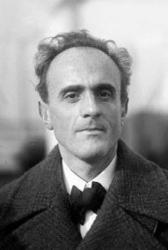
Moto Kimura
 Japan
JapanBiography of Moto Kimura
Moto Kimura was a Japanese biologist who gained wide recognition after publishing his theory of neutral evolution in 1968, which made him one of the most influential population geneticists. He is also known for his progressive use of diffusion equations to calculate the probabilities of beneficial, harmful, and neutral alleles becoming fixed. By combining theoretical population genetics with molecular evolution data, he developed the neutral theory of molecular evolution, in which genetic drift plays a crucial role in allele frequency change within a population.
Early Life and Education
Kimura was born in Okazaki City, Aichi Prefecture. From a young age, he was interested in botany, although he was also strong in mathematics (studying geometry and other branches of mathematics during a prolonged recovery from food poisoning). After enrolling at the University of Nagoya, Kimura focused on plant morphology and cytology, working in M. Kumadzawa's lab, studying the chromosomal structure of lilies. With Kumadzawa, he discovered how to combine his interests in botany and mathematics in biometrics. Due to World War II, Kimura had to leave the University of Nagoya and moved to Kyoto Imperial University in 1944. On the advice of the prominent population geneticist Hitoshi Kihara, Kimura pursued a course in botany instead of cytology because botany was studied in the Faculty of Natural Sciences rather than agriculture, allowing him to avoid military service. After the war, he joined Kihara's lab, where he investigated the introduction of alien chromosomes into plant tissues and studied the basics of population genetics. In 1949, Kimura joined the National Institute of Genetics in Mishima, Shizuoka Prefecture, where he published his first influential work on population genetics in 1953, describing a "stepping-stone" model of population structure.
Research and Contributions
After meeting American geneticist Duncan McDonald in the summer of 1953, Kimura was able to pursue a Ph.D. at the University of Iowa. However, he quickly realized that the University of Iowa was too limited and transferred to the University of Wisconsin, where he worked on stochastic models with James F. Crow, and joined a community of like-minded geneticists, including Newton Morton and Sewall Wright. Shortly before completing his Ph.D., Kimura presented at a symposium at the Cold Spring Harbor Laboratory. Although few understood him due to the mathematical complexity and Kimura's poor pronunciation, his presentation received praise from Wright and later from John B. S. Haldane. His completed work included a general model of genetic drift that reconciled complex alleles, selection, migration, and mutation as well as some works based on Ronald A. Fisher's fundamental theorem of natural selection. He also developed Wright's work on the Fokker-Planck equation by introducing the backward Kolmogorov equation into population genetics, allowing for the calculation of gene fixation probabilities.
In 1956, Kimura received his Ph.D. and returned to Japan, where he worked at the National Institute of Genetics until the end of his life, teaching at the National University of Genetics. Throughout his career, Kimura worked on a wide range of problems in population genetics, often collaborating with Takeo Maruyama. He proposed the "infinite allele" and "infinite site" models to study genetic drift, both of which are used in molecular evolution to study a range of beneficial peptides and genetic sequences. He also developed a "ladder" model that can be used in electrophoresis studies, where homologous proteins differ by single charges. In 1961, he wrote an important review article addressing controversies surrounding the genetic load. In 1968, Kimura experienced a career turning point when he proposed the neutral theory of molecular evolution, which suggested that most genetic changes at the molecular level are neutral with respect to natural selection, making genetic drift the primary factor in evolution. The field of molecular biology was rapidly expanding, resulting in increased tension between proponents of expanding reductionism and its critics. The neutral theory immediately became controversial, receiving support from many molecular biologists and rejection from many evolutionary biologists.
Kimura spent much of his life developing and defending the neutral theory of evolution. As new experimental technologies and genetic knowledge became available, Kimura expanded the boundaries of the theory and developed mathematical methods for its testing. In 1973, his student Tomoko Ota developed a more general version of the theory that incorporated a large number of slightly deleterious mutations. In 1983, Kimura published a monograph on the neutral theory, "The Neutral Theory of Molecular Evolution," and worked on popularizing the theory. While the theory faced challenges from selective hypotheses, the neutral theory became part of the modern approach to molecular biology.
In 1992, Kimura was awarded the Darwin Medal by the Royal Society and became a foreign member. He was married to Hiroko Kimura and they had one child, a son named Akio, and a granddaughter named Hanako.
Key Works
- 1950: The theory of the chromosome substitution between two different species
- 1953: "Stepping-stone model of population Annual" Report of the National Institute of Genetics
- 1954: Process leading to quasi-fixation of genes in natural populations due to random fluctuation of selection intensities
- 1955: Solution of a process of random genetic drift with a continuous model
- 1955: Stochastic Processes and distribution of gene frequencies under natural selection
- 1962: On the probability of fixation of mutant genes in a population
- 1963: The measurement of effective population number
- 1964: The number of alleles that can be maintained in a finite population
- 1964: Diffusion Models in Population Genetics
- 1965: A stochastic model concerning the maintenance of genetic variability in quantitative characters
- 1968: Evolutionary Rate at the Molecular Level
- 1969: The number of heterozygous nucleotide sites maintained in a finite population due to steady flux of mutations
- 1969: The average number of generations until fixation of a mutant gene in a finite population
- 1971: Theoretical foundation of population genetics at the molecular level
- 1973: A model of mutation appropriate to estimate the number of electrophoretically detectable alleles in a finite population
- 1983: The Neutral Theory of Molecular Evolution
- 1991: The neutral theory of molecular evolution: a review of recent evidence