Milos Jakes
- From Factory Work to Party Leadership
- A Senior Figure During Normalization
- The Red Castle Speech and the Velvet Revolution
- A Contested Political Legacy
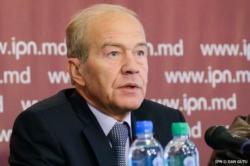
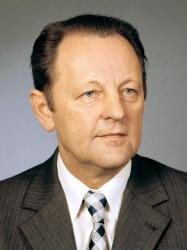
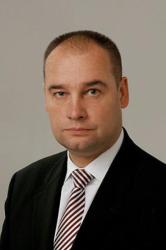
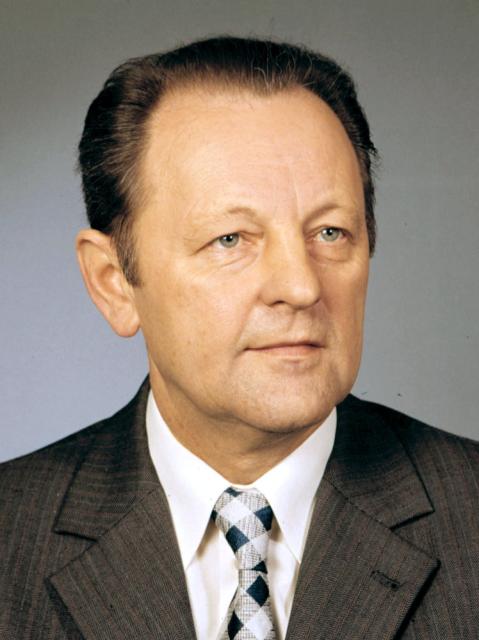
Miloš Jakeš (born Milouš Jakeš) was a Czechoslovak Communist politician who led the Communist Party of Czechoslovakia from 1987 until the collapse of the one-party regime in 1989. Born on 12 August 1922 in České Chalupy, southern Bohemia, he rose from a working-class background through the party apparatus to become the country's most powerful Communist official. He died in Prague on 9 July 2020.
From Factory Work to Party Leadership
Jakeš trained as an electrician and began working at the Baťa industrial works in Zlín as a teenager. He joined the Communist Party of Czechoslovakia in 1945 and held youth and local government posts in the postwar years. After studying at the Communist Party's higher school in Moscow, he returned to Czechoslovakia and advanced through state and party positions, including work in government oversight and economic administration.
During the reform period of 1968, known as the Prague Spring, Jakeš chaired the party's Central Control and Audit Commission. He supported some reforms but opposed what he saw as threats to the Communist system. After Warsaw Pact forces invaded Czechoslovakia in August 1968, he went with the party delegation to Moscow and signed the resulting protocol, helping the leadership restore Soviet-aligned control.
A Senior Figure During Normalization
In the 1970s, Jakeš held senior party roles and served in the Federal Assembly. He was appointed to the party's presidium in 1981 and became general secretary of the Central Committee in December 1987, succeeding Gustáv Husák. His tenure unfolded as the Soviet Union under Mikhail Gorbachev introduced reforms and pressure for change grew across Eastern Europe. Jakeš permitted limited economic adjustments but resisted political pluralism and deeper reforms, leaving the party increasingly isolated from the public.
The Red Castle Speech and the Velvet Revolution
Jakeš became a familiar figure beyond politics after an unscripted address to Communist officials at Červený Hrádek on 17 July 1989. His awkward remarks, including a complaint that the party felt “like a stake in a fence,” were circulated beyond the meeting and became a source of public ridicule. The speech came as opposition activity and calls for change were gaining momentum.
Mass demonstrations followed the police crackdown on a student march in Prague on 17 November 1989. Jakeš and the party leadership failed to contain the protest movement. On 24 November, he resigned as general secretary; within weeks, Communist rule ended in what became known as the Velvet Revolution.
A Contested Political Legacy
Jakeš spent the rest of his life outside high office, occasionally appearing in public and defending his interpretation of the Communist era. His career embodied both the rise of the party state and its late inability to adapt as society demanded political freedom. The Červený Hrádek speech remains a vivid cultural marker of the regime's final months, while his role in preserving Soviet control after 1968 places him among the senior figures responsible for Czechoslovakia's period of normalization.