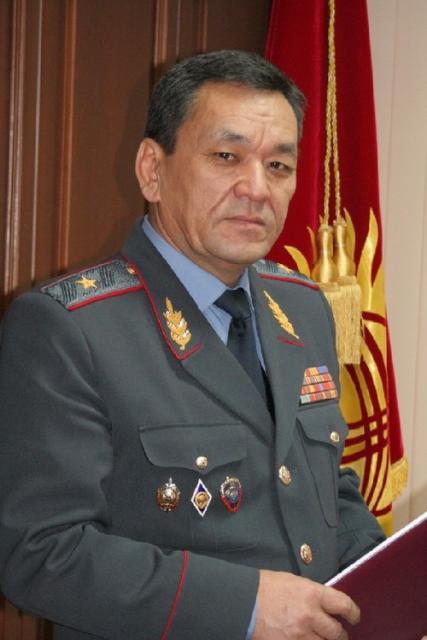
Moldomusa Kongantiev
 Kyrgyzstan
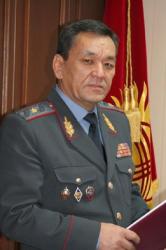
Moldomusa Kongantiev spent more than three decades in Kyrgyzstan’s law-enforcement system, rising from junior police work to the country’s top police post. A career officer who later became Bishkek’s police chief and national interior minister, he led the ministry through a period of intense political upheaval. His name became inseparable from the April 2010 uprising: sent to the city of Talas as unrest spread, he was captured and severely beaten by demonstrators, then faced criminal charges related to the events before being acquitted in court.
A Career in the Police
Kongantiev was born on March 31, 1958, in Mailuu-Suu, in southern Kyrgyzstan’s Jalal-Abad region. He joined the internal affairs service in 1979, beginning as a guard at a state bank branch. Over the years he worked as a district inspector and criminal investigator, including in units dealing with economic crime and organized crime. He graduated from Kyrgyz State University’s law faculty in 1989 and earned a doctorate in law.
After serving in several posts in Jalal-Abad, Kongantiev was appointed head of Bishkek’s city police department in 2005. Three years later, on January 14, 2008, President Kurmanbek Bakiyev named him minister of internal affairs. The appointment elevated a longtime police administrator to the national leadership of the country’s law-enforcement service.
The 2010 Uprising
In April 2010, protests against Bakiyev’s government spread across Kyrgyzstan. Kongantiev traveled to Talas on April 6 as the city saw clashes between demonstrators and police. During the unrest he was seized by protesters and beaten so severely that he required hospital treatment. Reports of his condition varied during the chaotic days, and he was temporarily out of public view.
After the government fell, he was detained in Moscow and returned to Kyrgyzstan. The interim authorities opened a criminal case concerning alleged abuse of office during the April events, as well as alleged negligence connected with the March 2005 upheaval. He denied criminal wrongdoing. In July 2019, Bishkek’s Pervomaisky District Court acquitted him, finding no elements of a crime; a higher court later upheld the acquittal.
Later Years and Legacy
Kongantiev did not return to public office after leaving the ministry. His career remains tied to the institutions and political crises that defined his era: the steady rise of a police professional, the pressure placed on law enforcement during mass protest, and the contested question of accountability after state violence. The 2010 events were especially stark, as he experienced violence himself while also facing accusations over the ministry’s conduct during the same period.
He died in Osh on February 12, 2022, aged 63. Kyrgyz government and law-enforcement institutions paid tribute to his long service. His life reflects both the reach of a decades-long police career and the unresolved tensions surrounding public order, protest, and accountability in modern Kyrgyzstan.