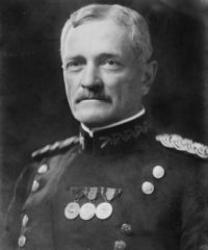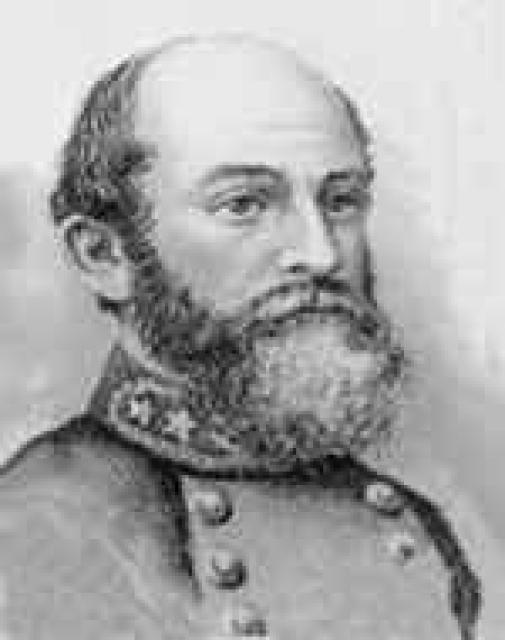
Richard Stodderd Ewell
 USA
USABiography of Richard Stoddert Ewell
Richard Stoddert Ewell was a renowned Confederate Army general who earned a reputation as a fierce fighter and a commander who cared deeply for the well-being of his troops, earning their love and loyalty. He was born in 1817 in Tennessee and graduated from West Point in 1840. He dedicated twenty years of his life to serving the Union. During his time in the Union Army, Ewell did not seek a career, and in 1861, he resigned from service with the rank of captain. He truly made a name for himself where talented military leaders were valued - in the Confederate Army.
Throughout the war, Ewell rose through the ranks, starting as a cavalry colonel in May 1861 and eventually becoming the commanding officer of the Confederate capital's defense in June 1864. Ewell's reputation as a fierce fighter and a commander who cared for the well-being of his troops greatly contributed to their love and loyalty. However, on August 28, 1862, during the Battle of Groveton, Ewell sustained a wound that led to the amputation of his right leg.
Ewell was promoted to the rank of lieutenant general and appointed as the commander of a corps, a position previously held by Jackson, until he was fatally wounded at the Battle of Chancellorsville. Leading his corps, Ewell participated in the army's campaign into Pennsylvania and fought admirably in the Second Battle of Winchester in Virginia on June 14. During this battle, Ewell captured over 4,000 Union soldiers, 23 cannons, and 300 wagons loaded with supplies. This victory temporarily earned him the nickname "The New Jackson."
However, Ewell's fame dimmed during the first day of the Battle of Gettysburg in Pennsylvania when he failed to attempt to dislodge the battered and demoralized Union forces from the heights around the town. Many believed that if Ewell were in Jackson's place, he would have made the attempt. The Confederate attempts to seize these heights in the following two days resulted in defeat and a retreat back to Virginia.
Ewell ended the war as the commander of troops in Richmond, but he was arrested shortly after. However, he was soon released. Ewell passed away in 1872 in Nashville, Tennessee.