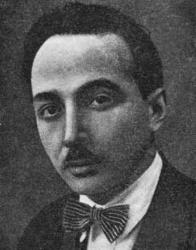
Samuel Coster
 Netherlands
Samuel Coster
Samuel Coster, a Dutch playwright of the 17th century, made significant contributions to the development of Dutch drama.
Life and Career
Born in Amsterdam, Coster pursued a career in medicine and became a doctor at the city's hospital. Despite his medical profession, he held a deep passion for the theater and dedicated much of his creative energy to writing plays.
Impact on Dutch Drama
Coster played a pivotal role in shaping Dutch drama. He introduced a new style of comedy characterized by its wit and humor, often incorporating elements of satire and social commentary. His most famous comedies include "Spel Van Tiisken van der Schilden," "Spel van de Rycke Man," and "Boereklucht van Teeuwis de Boer en men Juffer van Grevelinckhuysen."
Tragic Works
In addition to his comedic works, Coster also wrote tragedies. Drawing inspiration from classical mythology, he explored themes of love, betrayal, and sacrifice in plays such as "Itys," "Iphigeneia," "Polyxena," and "Isabella." These tragedies delved into the complexities of human nature and resonated deeply with audiences.
Legacy and Recognition
Coster's works had a lasting impact on Dutch literature and theater. His plays were published and performed throughout the 17th century and beyond. In 1883, his writings were published in a collection by Kollewyn, ensuring their preservation for future generations. Today, Coster is remembered as one of the most influential Dutch dramatists of his time.