Stephan III
 Moldova
- Biography of Stefan III the Great
- Victories against the Ottoman Empire and Internal Reforms
- Wars and Conflicts
- Legacy
Biography of Stefan III the Great
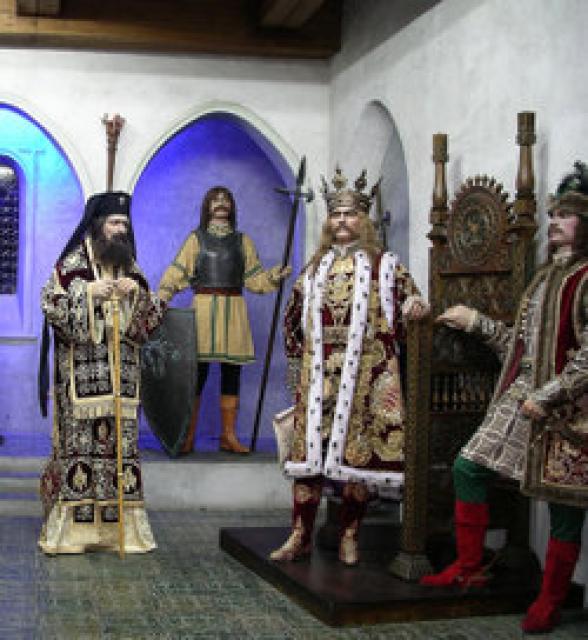
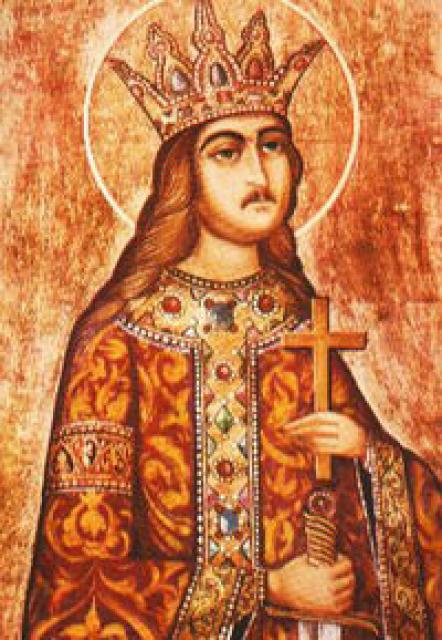
Early Life and Rise to PowerStefan III, also known as Stefan the Great, was the ruler of Moldavia from 1457 until his death in 1504. He was born into the ruling family of Moldavia and ascended to the throne following a period of political instability. Stefan faced numerous challenges to Moldavia's independence, including wars with Hungarian and Polish feudal lords.
Victories against the Ottoman Empire and Internal Reforms
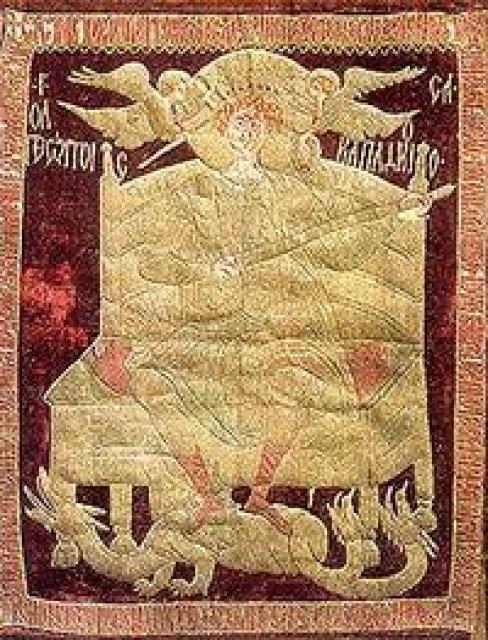
However, Stefan's greatest fame in Europe came from his victories over the Ottoman Sultan Mehmed II, the conqueror of Byzantium. Stefan's military successes earned him a reputation as a fierce and skillful warrior. In addition to his military campaigns, he focused on strengthening and modernizing Moldavia internally.
Stefan limited the power of the boyars, the ruling nobility, and began buying land from them. He dealt harshly with those who expressed dissatisfaction, including the execution of 40 boyars. He also granted peasants the status of "free men," which strengthened the army as serfs were not allowed to serve.
Under Stefan's rule, the Moldavian army was significantly improved and transformed. He established artillery units consisting of foreign mercenaries and built numerous new fortresses while reinforcing existing ones. He revived major trade routes, leading to an economic boom and the prosperity of cities.
Wars and Conflicts
Stefan faced ongoing threats from the Ottoman Empire, which demanded the payment of tribute and laid claim to Moldavia's coastal fortresses. He also dealt with conflicts with neighboring Wallachia, which was under the control of the pro-Turkish ruler Radu the Handsome.
In 1462, Stefan launched a raid into Transylvania, which was under Hungarian rule, in search of his rival Petru Aron. Although the Moldavian army achieved significant success, Petru Aron managed to escape to Hungary. This led to a tense situation, as Stefan had openly confronted Hungary while also opposing the Turks, whom Hungary was also at odds with.
In 1470, the Khan of the Great Horde organized a raid on Moldavia. However, Stefan decisively defeated them in the Battle of Lipnic, capturing the Khan's son. He executed both the Khan's son and the delegation sent to negotiate the captive's release, sending a clear message of defiance to the Ottoman Empire.
Despite these victories, Moldavia remained under constant threat. In 1484, the Turks captured Moldavian fortresses along the coast, weakening Moldavia's alliance with the Crimean Tatars. In 1485, Stefan successfully repelled another Turkish invasion, but the conflict continued.
Legacy
Stefan's diplomatic skills and military achievements earned Moldavia international recognition. Despite the ongoing wars, Moldavia experienced an economic and cultural renaissance under Stefan's rule. He established numerous churches and monasteries, including the famous Putna Monastery, which he personally built. Stefan's military tactics and leadership abilities were highly regarded, as he successfully defended Moldavia against more powerful adversaries.
Stefan III, also known as Stefan the Great and Holy, was buried in the Putna Monastery upon his death on July 2, 1504. His rule marked a period of significant growth and development for Moldavia, solidifying its independence and leaving a lasting impact on its history and culture.