Stephen Gillatt
- Man Haunted by His Fear of Reflecting
- The Origins of a Deep-Rooted Fear
- Mirrors Everywhere, Anxiety Everywhere
- A Broken Reflection
- Self-Loathing Within
- Triggers and Panic Attacks
- A Deeper Problem Beneath the Phobia
- Past Struggles and Seeking Help
- A Memoir of Mental Health
- Social Stigma and Misperceptions
- Acceptance and Moving Forward
Man Haunted by His Fear of Reflecting
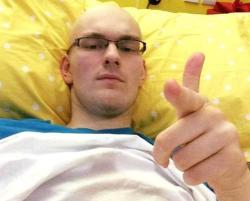
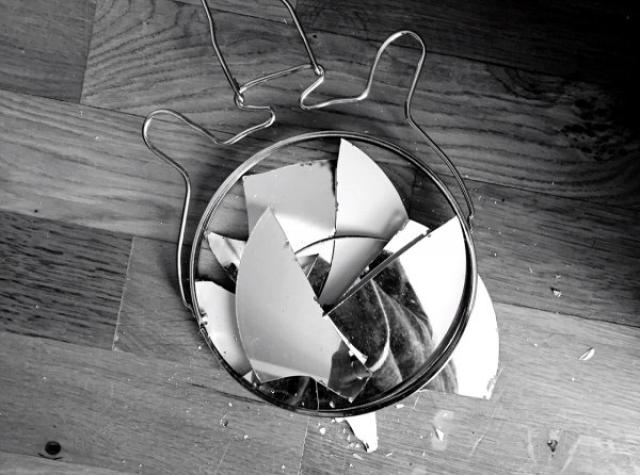
Eisoptrophobia: An Unusual PhobiaSteven Gillatt, a 40-year-old man, has been living with an extraordinary fear: the phobia of mirrors. Known as eisoptrophobia, this intense aversion to one's own reflection has tormented him for the past four years.
The Origins of a Deep-Rooted Fear
Gillatt's phobia emerged along with a nervous breakdown. It is not the mirrors themselves that instill fear, but the reflection within. Gillatt simply cannot bear to look at his own face, even as he prepares for work, avoiding mirrors at all costs. Haircuts require him to trust blindly in his barber, closing his eyes throughout the process.
Mirrors Everywhere, Anxiety Everywhere
Even passing by large windows in shopping malls triggers intense discomfort for Gillatt, as their reflective surfaces reignite his phobia. Water also poses a constant threat, as the fear permeates his entire world.
A Broken Reflection
"I use mirrors sparingly for grooming," Gillatt explains. "My hair is short, so I either leave it as is or use wax to brush it." The lack of self-reflection extends to his daily routine: "I practically never know how I look when I leave the house. I get dressed and ask my wife or eldest daughter for an assessment. They're honest with me!"
Self-Loathing Within
Gillatt admits life is simpler when mirrors are "absolutely necessary." He envies those who can gaze at their reflection for aesthetic purposes. "All I see when I look in a mirror is a failure of a man, an emotionally scarred man," he says. "I don't see my features, I see through me."
Triggers and Panic Attacks
Gillatt's phobia extends to photography as well. He refrains from taking or posing for pictures. "I wish I could just go up to a mirror and think, 'That's a ridiculous hairstyle! I need to fix it,'" Gillatt laments. Despite his difficulties, he has chosen to forgo therapy at this time.
A Deeper Problem Beneath the Phobia
Gillatt believes his phobia stems from low self-esteem, self-hatred, and a long history of negative self-judgments. "It's taken me decades to cultivate these feelings and beliefs about myself," he says. "It may take a long time before I can fully push them aside."
Past Struggles and Seeking Help
Gillatt has battled numerous other mental health issues in the past, including self-harm, suicide attempts, and addiction. He has also dealt with sleep problems, unhealthy eating habits, and depersonalization disorder. "I've chosen to keep quiet about most of that," he says.
A Memoir of Mental Health
Currently, Gillatt is using writing as a way to process his experiences. He has authored a book entitled "Mad, Sad, Dysfunctional Dad," which explores his journey as a father and the impact of mental health on his life. He hopes to publish his work in April or May 2023.
Social Stigma and Misperceptions
"I've never met anyone in person who shares the same specific phobia," Gillatt says. "I don't think people disbelieve me as much as they struggle to empathize. It's such an unusual condition, so I can understand why it's difficult for others to relate to."
Acceptance and Moving Forward
Gillatt has come to terms with his fear and the lifelong avoidance of mirrors. "I'm not sure I'll ever be able to look at my reflection normally," he says. "But I'm learning to live without mirrors, and it does get easier the more I do it."