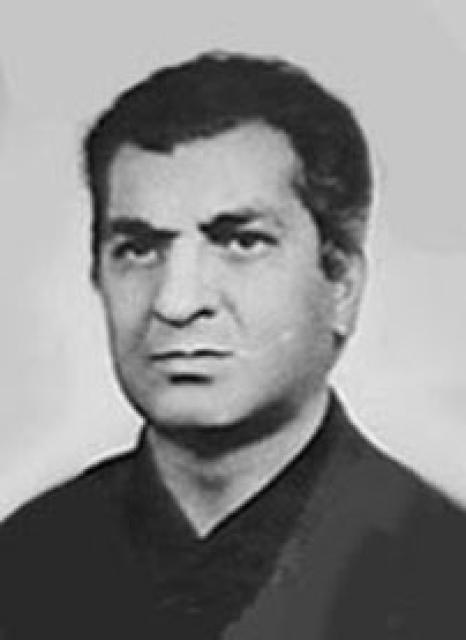
Babrak Karmal
 Afghanistan
Babrak Karmal’s rise to Afghanistan’s leadership came at one of the most turbulent moments of the Cold War. A founder of the country’s communist movement and leader of its Parcham faction, he became head of state after the Soviet Union invaded Afghanistan in 1979 and remained in office during a brutal, widening conflict.
Politics and the PDPA
Born in Afghanistan on January 6, 1929, Karmal entered politics as a young man and became a founding member of the People’s Democratic Party of Afghanistan (PDPA) in 1965. He won a seat in parliament that year. When the party split in 1967, he led the Parcham, or “Banner,” faction, which was associated with a more urban and coalition-oriented approach than its rival Khalq faction.
The two factions reunited before the 1978 Saur Revolution, which brought the PDPA to power. But internal rivalries soon re-emerged. After the Khalq leadership purged Parcham figures from the government, Karmal was sent abroad as Afghanistan’s ambassador to Czechoslovakia.
Leadership amid Soviet intervention
In December 1979, Soviet forces invaded Afghanistan, killed President Hafizullah Amin, and brought Karmal back from exile to lead the new government. His rule was inseparable from the Soviet military presence, which became a defining and deeply controversial feature of his time in power. Many Afghans viewed the intervention as a foreign occupation, and armed resistance continued to grow.
Karmal’s government announced an amnesty for political prisoners and made efforts to soften some of the earlier regime’s policies, including concessions to religious leaders and changes to land reform. These steps did little to establish broad legitimacy. The PDPA remained divided, and the Soviet-backed government struggled to control the country as fighting spread.
Removal and final years
By 1986, Soviet leaders had concluded that Karmal was ineffective at consolidating support. He was replaced as party leader by Mohammad Najibullah and left Afghanistan for the Soviet Union. After the communist government collapsed in 1992, he spent time back in Afghanistan before returning to Moscow.
Karmal died in Moscow on December 3, 1996, of liver cancer. His legacy remains bound to the Soviet intervention and the Afghan war that followed. To some, he was a party leader who tried to moderate a hard-line government; to many others, he symbolized a regime sustained by foreign troops and unable to win widespread acceptance.