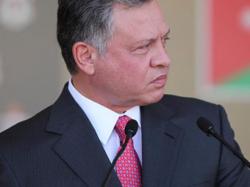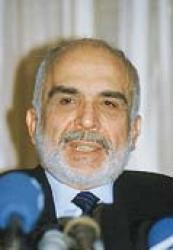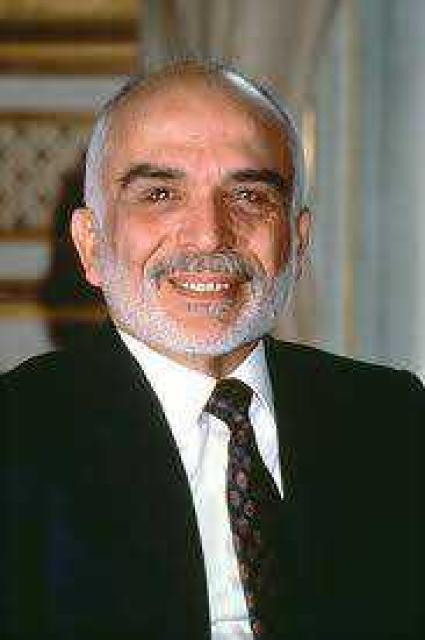
Husein ben Talal
 Jordan
- Biography of Hussein bin Talal
- Early Life and Education
- Military Training and Leadership
- Ascension to the Throne
- Leadership Style and Foreign Relations
- Legacy
Biography of Hussein bin Talal
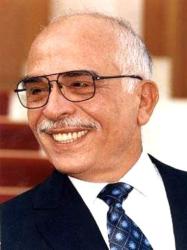
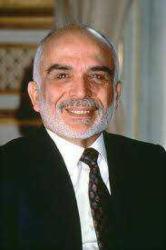
IntroductionHussein bin Talal was the King of Jordan from August 11, 1952, until February 7, 1999. He was a courageous and wise man, who symbolized his country and his people for almost half a century. Known for his Eastern leadership style and Western upbringing, King Hussein was a true statesman who garnered respect from leaders around the world.
Early Life and Education
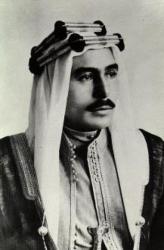
Hussein bin Talal, whose full name is Al-Hussein bin Talal bin Abdullah bin Al-Hussein, was born on November 14, 1935. He spent his childhood in the simple neighborhood of Jabal Amman in Jordan. His father, Prince Talal bin Abdullah, and his mother, Princess Zein Ash-Sharaf, lived in a modest villa surrounded by a small garden. Hussein had two younger brothers, Hassan and Muhammad, and a sister named Basma.
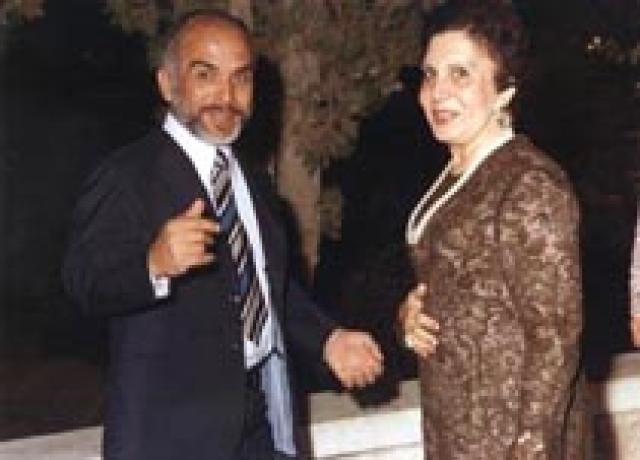
At a young age, Hussein received religious education and learned classical Arabic and the Quran, as per his grandfather's wishes. He then attended the prestigious Victoria College in Alexandria, Egypt, where he excelled in his studies and became fluent in English. It was during his time at Victoria College that Hussein discovered a new world of sports, books, and friendships.
Military Training and Leadership
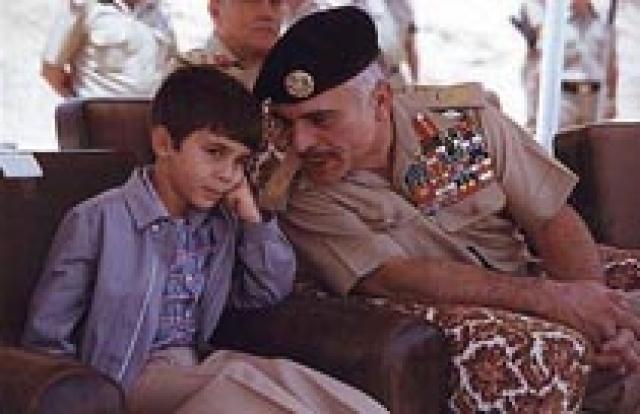
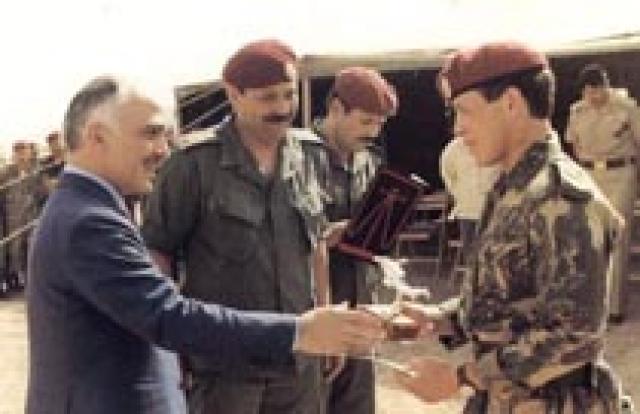
Hussein's grandfather, King Abdullah I, played a significant role in shaping his future as a leader. He instilled in Hussein the knowledge of governing a country, the art of diplomacy, and the importance of understanding the Arab world. King Abdullah constantly emphasized the duty of a leader to serve his people, a lesson that stayed with Hussein throughout his life.

After completing his education at Victoria College, Hussein decided to further his military training at the prestigious Royal Military Academy Sandhurst in England. He believed that discipline and self-control were crucial qualities for a leader to possess. In 1952, he enrolled in Sandhurst and chose the most challenging program, determined to gain the maximum benefit from his education.
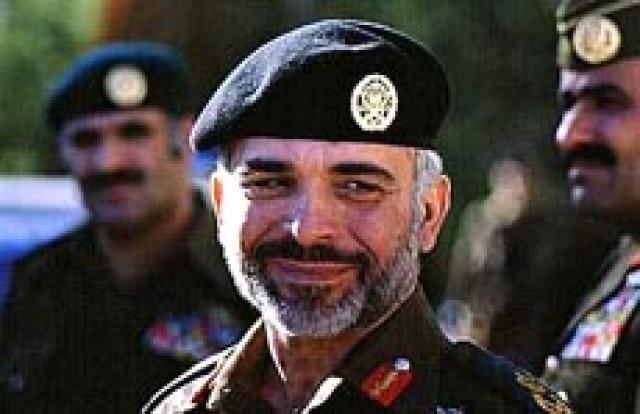
During his time at Sandhurst, Hussein experienced life without any privileges. He was treated like any other cadet and underwent rigorous training. Despite the demanding environment, he excelled in his studies and learned how to handle modern weapons and understand military strategies. Hussein also developed a passion for speed and became an avid participant in car rallies and races.
Ascension to the Throne
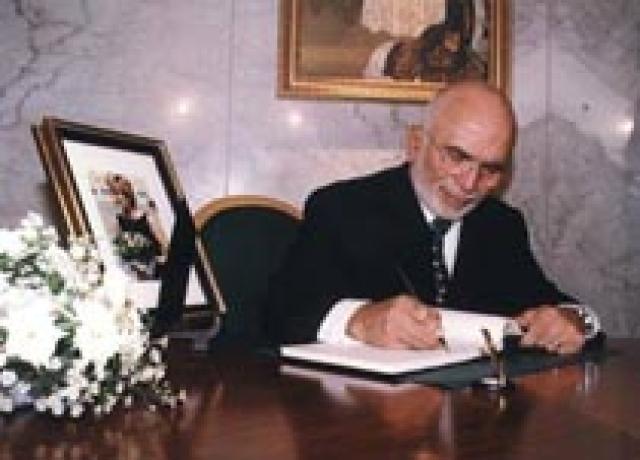
On August 11, 1952, the Regency Council that had been governing Jordan came to an end, and Hussein officially became the King of Jordan. However, because he had not yet reached the age of 18, a Regency Council continued to rule the country on his behalf. Hussein returned to Jordan from his studies in England, and his people welcomed him with open arms, shouting, "Long live Hussein!"
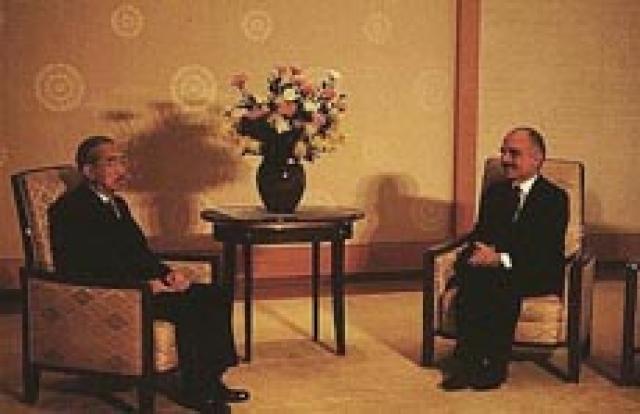
During his early reign, Hussein embarked on a three-week tour of Jordan to familiarize himself with the state of the country and meet with its people. He visited important cities and villages, listened to the concerns and advice of thousands of Jordanians, and gained a deeper understanding of their lives. This journey reinforced his belief that the well-being of the people was crucial for the country's prosperity.
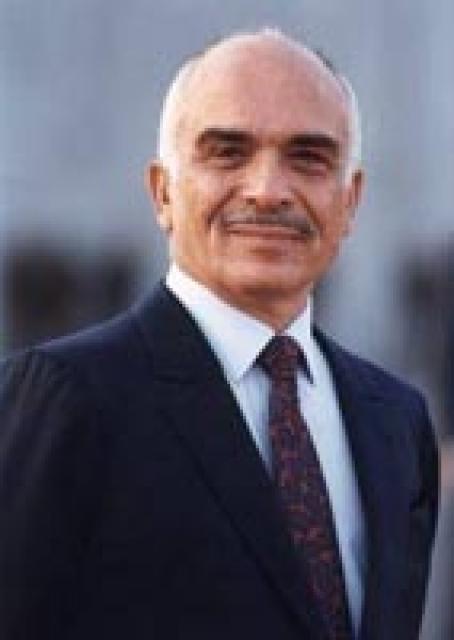
Leadership Style and Foreign Relations
As King, Hussein pursued a balanced approach to foreign policy, which led him to become one of the most experienced and influential leaders in the Middle East. He maintained close relationships with world leaders, including Margaret Thatcher, Hassan II of Morocco, François Mitterrand, Ronald Reagan, Hosni Mubarak, and Javier Pérez de Cuéllar, to name a few. They admired his dedication to his people and his unwavering commitment to his principles.
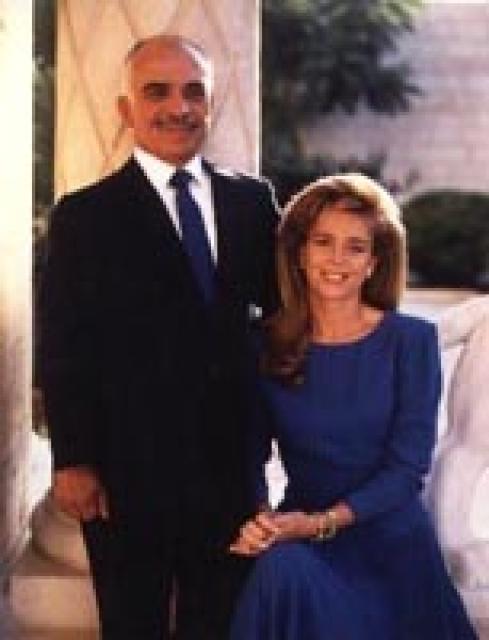
However, Hussein also faced opposition from left-wing Arab forces due to his close ties to the West. Despite this, he believed that the Western model of democracy was not suitable for the Arab world and advocated for an authoritative leadership style.
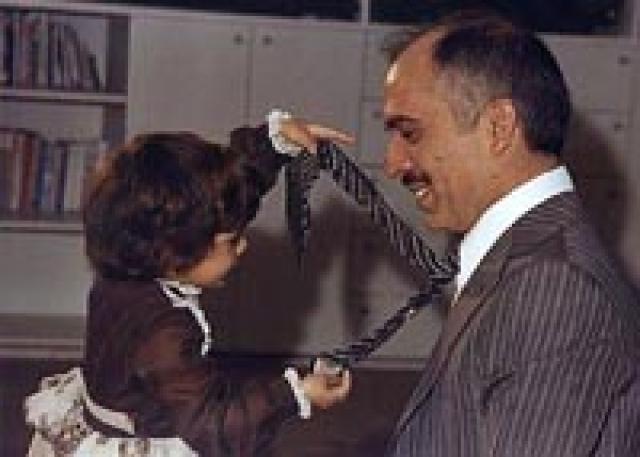
Throughout his reign, Hussein focused on strengthening Jordan's position in the region. He sought strong alliances with Western countries and relied on foreign aid to support his country's development. Aware of Jordan's historical vulnerabilities, he constantly worked to secure a reliable ally for the nation.
Legacy
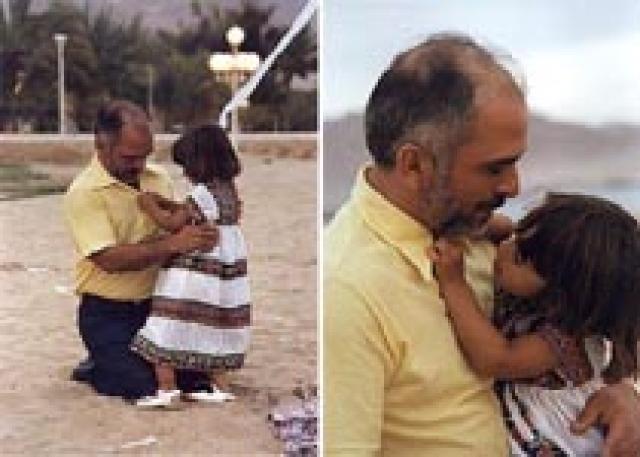
King Hussein bin Talal left a lasting legacy as a visionary leader who dedicated his life to serving his people and promoting regional stability. His ability to navigate the complexities of the Arab world and Western influences made him a respected figure on the global stage.
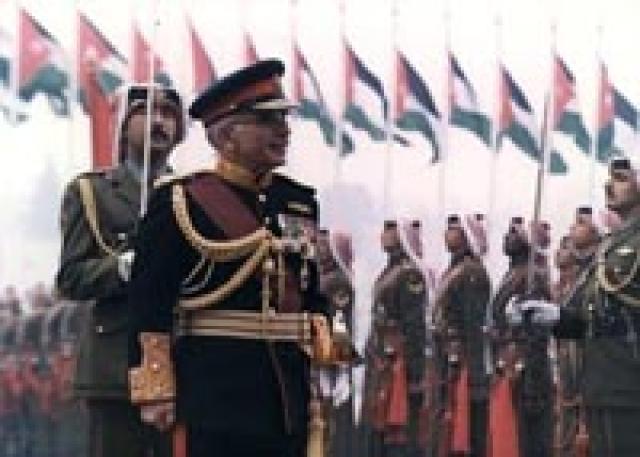
King Hussein's reign was marked by his commitment to his people's welfare, his efforts to establish Jordan as a stable nation, and his pursuit of peace in the Middle East. He faced numerous assassination attempts and personal challenges throughout his life but remained resilient and unwavering in his dedication to his country and his people.

On February 7, 1999, at the age of 64, King Hussein passed away, leaving behind a country and a people who respected and admired him. His contributions to Jordan and his impact on the region continue to be remembered and celebrated.