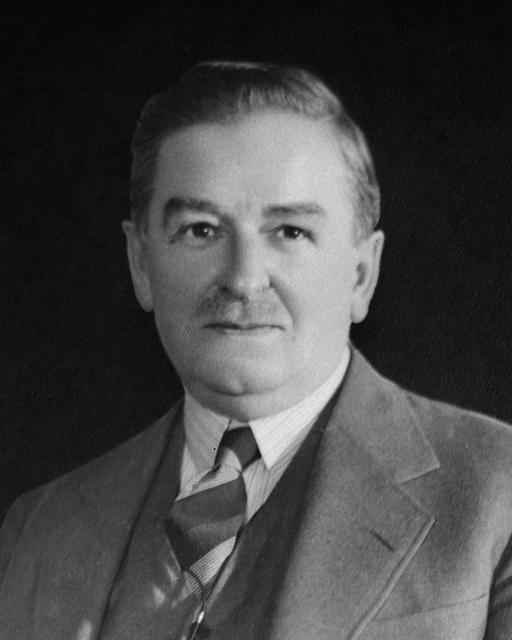
Maurice Le Noblet Duplessis
 Canada
- Biography of Maurice Le Noble Duplessis
- Founding of the Union Nationale
- Autonomy for Quebec
- Restrictions and Controversies
- The Legacy of Duplessis
Biography of Maurice Le Noble Duplessis
Maurice Le Noble Duplessis was a prominent figure in Quebec politics, serving as the Premier of Quebec from 1936 to 1939 and again from 1944 to 1959. Prior to his political career, Duplessis was a professional lawyer who started his journey in the Conservative Party of Quebec.
Founding of the Union Nationale
In 1935, Duplessis founded a new party called the Union Nationale (National Union) by merging the Conservative Party of Quebec and the National Liberal Action. With the formation of his new party, Duplessis assumed the role of its leader. The following year, in 1936, the Union Nationale won the parliamentary elections, defeating the Quebec Liberal Party led by Louis-Alexandre Taschereau, and Duplessis became the Premier of Quebec.
Autonomy for Quebec
Duplessis was a staunch advocate for the autonomy of Quebec, a cause that even Canadian authorities approved of. The majority of his supporters were rural residents. Duplessis also supported foreign capital, particularly firms representing the United States. While his leadership saw the strengthening of trade unions (membership increased from 180,000 to 400,000), Duplessis always remained on the side of employers. In 1944, he even initiated a law to restrict the rights of trade unions.
Restrictions and Controversies
Throughout his tenure, civil rights were often curtailed, with the closure of the newspaper "Le Combat" being one example. In 1937, Duplessis spearheaded the passing of the "Law for the Protection of the Province from Communist Propaganda," which resulted in the banning of the Communist Party of Quebec and other left-wing organizations. One significant event during his time in power was the strike by asbestos industry workers, in which future Canadian Prime Minister Pierre Elliot Trudeau participated.
The Legacy of Duplessis
Overall, discontent with Duplessis' right-wing political agenda, characterized by extreme Catholic clericalism, anti-communism ("Heaven is blue, and hell is red" was one of his party's slogans), suppression of the labor movement, and corruption, eventually led to the "Quiet Revolution." The years of Duplessis' rule were later referred to by critics as the "Great Darkness" (Grande Noirceur).